Lighting for Water Features What You Need to Know

Water features, be it backyard ponds, fountains, or koi ponds, serve as an anchor for many landscapes. Their ability to instantly uplift the ambiance of any space is unparalleled. However, without the right lighting, these water features can go unnoticed, especially during the evening hours. This article sheds light on the essentials of “Lighting for Water Features” to ensure that your aquatic installations remain as captivating at night as they are during the day. Dive in to explore various lighting solutions, techniques, and tips that can elevate the aesthetics of your water features.

Lighting for Water Feature Maintenance

Maintaining your water feature lighting isn’t just about keeping them shining bright—it’s about ensuring that the entire setup remains safe, functional, and aesthetically pleasing.

Lighting for Water Feature Maintenance

  • Consistent Checkups: Regular inspections help in detecting any early signs of wear or damage. For instance, seals can deteriorate over time, which may allow water to seep into the fixtures, leading to malfunctions. Set up a routine inspection, preferably every month, to review the state of your lighting.
  • Cleaning Routines: Algae, mineral deposits, and other debris can accumulate on the lights over time, diminishing their brilliance. This is particularly the case for submerged lights, which are constantly in contact with water. Using a soft brush and eco-friendly cleaners can help remove such buildups without damaging the lights or harming the aquatic life.
  • Replacement of Bulbs: All bulbs, even the best ones, have a limited lifespan. Monitor your lights and be proactive about replacing bulbs that are starting to dim or flicker. Keeping a stock of spare bulbs can prove useful for such replacements.
  • Water Quality: Maintain a balanced pH and regular cleaning of your water feature. Poor water quality can speed up the corrosion or deterioration of lights.
  • Electrical Safety: Periodically check the wiring and connectors. Ensure there’s no exposure or wear, as this can pose safety risks.

Techniques for Ponds

Ponds serve as the centerpiece of many landscapes. The right lighting can accentuate their beauty, enhance visibility, and even promote safety during nighttime.

  • Depth Considerations: The deeper parts of your pond might require more powerful lighting for effective illumination. Consider layering lights at different depths to achieve a dynamic effect.
  • Positioning: Instead of placing all lights around the perimeter, consider positioning some within the pond to highlight specific features like a rock formation, aquatic plants, or fish.
  • Light Angling: Directing lights upwards can illuminate the surface and create reflective patterns. Conversely, downward-facing lights can draw attention to the pond’s base and its features.
  • Natural Integration: Try to integrate lights seamlessly with the natural surroundings. Using rock or foliage to hide or diffuse light can create a more natural and harmonious look.

LED Lights

LED lighting has revolutionized outdoor illumination due to its many advantages.

  • Energy Efficiency: LED lights consume significantly less power compared to traditional halogen bulbs. This translates to notable savings on energy bills over time.
  • Brightness and Color Range: LEDs offer a spectrum of colors. This allows for mood settings, from cool blues for a tranquil evening to vibrant colors for festive occasions.
  • Heat Dissipation: Unlike traditional bulbs, LEDs emit very little heat, making them safer for aquatic environments. This ensures that the water temperature isn’t significantly affected, safeguarding aquatic life.
  • Durability: LED lights have a longer lifespan, often running for up to 25,000 hours. This reduces the need for frequent replacements.

Underwater Lighting

Submerged lights create captivating effects, turning ordinary water features into mesmerizing spectacles.

 Underwater Lighting

  • Safety First: Ensure that the lights are explicitly designed for underwater usage. They should be waterproof and corrosion-resistant to withstand prolonged submersion.
  • Fixture Durability: Marine-grade stainless steel or brass fixtures are ideal as they resist rust and corrosion. Cheap materials might save costs initially but can prove problematic in the long run.
  • Light Placement: Consider placing lights behind water features, such as statues or waterfalls, to create silhouette effects. The play of light and shadow can add dramatic flair.
  • Maintenance: Underwater lights require more maintenance than above-ground counterparts. Regular cleaning and checkups help ensure their longevity and brilliance.

Waterfall Illumination Tips

Illuminating waterfalls requires a balance of art and technique to amplify their natural beauty.

 Waterfall Illumination

  • Light Direction: Consider backlighting for waterfalls. Placing lights behind the flow can illuminate the cascading water, creating a radiant, shimmering effect.
  • Avoiding Over-illumination: Too much light can diminish the natural appeal of waterfalls. Use fixtures with adjustable intensities or use diffusers to achieve the desired effect.
  • Varied Angles: Position lights at different angles to highlight the textures and movement of the cascading water. This adds depth and dimension.
  • Natural Elements: Use surrounding plants, rocks, and other natural elements to obscure or diffuse light sources, lending a more organic feel to the illumination.

Best Lights for Koi Ponds

Koi ponds are unique aquatic features, designed not only for aesthetic beauty but also as a habitat for these vibrant and graceful fish. Proper lighting is essential not just for evening appeal, but also for the health and well-being of the Koi.

Best Lights for Koi Ponds

  1. LED Lights: LED lights are the first choice for many Koi pond owners. They consume less energy, produce minimal heat, and are versatile in terms of brightness and color. Moreover, they don’t alter the water temperature, ensuring the comfort of your Koi.
  2. Submersible Halogen Lights: While not as energy-efficient as LEDs, halogens provide a warm, ambient glow. They’re especially effective for spotlighting particular features within the pond. However, they generate more heat, so proper placement is crucial.
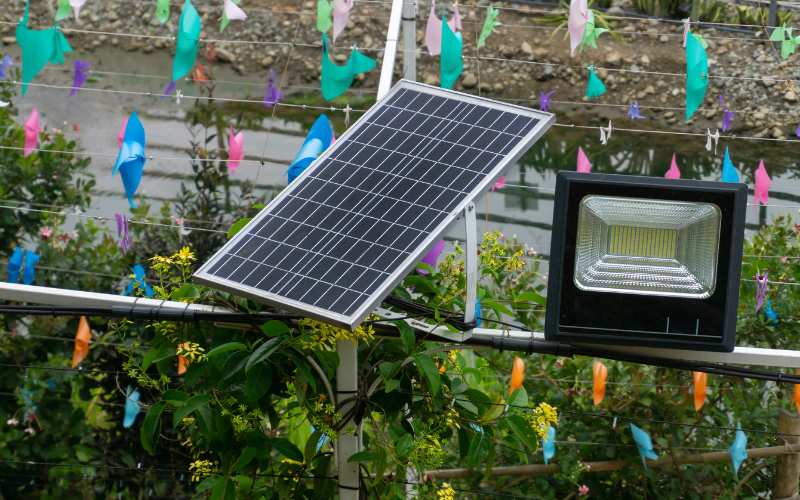
  3. Solar Lights: Particularly beneficial for ponds located in sunny areas, solar lights harness the sun’s energy during the day and provide illumination at night. They’re eco-friendly and help reduce energy bills.
  4. Floating Lights: These lights drift on the surface, creating mesmerizing reflections. They’re especially useful for those who wish to avoid the hassle of underwater wiring.

Koi are sensitive creatures. It’s vital to ensure that lights don’t disturb their natural rhythms. Timers can be handy, allowing lights to switch off during the Koi’s rest periods.

Advantages of Solar Lights

Solar lighting has garnered much attention in the world of outdoor landscaping. Here’s why:

  • Eco-Friendly: Solar lights reduce the carbon footprint. They harness renewable energy from the sun, cutting back on the reliance on fossil fuels.
  • Cost-Effective: After the initial investment, solar lights virtually eliminate electricity costs. Over time, they can save a significant amount on energy bills.
  • Easy Installation: Most solar lights don’t require complex wiring. They’re perfect for those who prefer a DIY approach, saving costs on professional installation.
  • Low Maintenance: With fewer moving parts and no external wiring, solar lights often require less upkeep than traditional lighting.
  • Safety: There’s no risk of electric shocks or short-circuiting with solar lights, making them a safer option for water features.

Durable Lights

When it comes to outdoor and water feature lighting, durability is a prime concern.

  • Materials Matter: Opt for lights made from marine-grade stainless steel or heavy-duty brass. These materials resist rust, corrosion, and wear from the elements.
  • Waterproof and Weatherproof: Ensure that the lights are rated for outdoor use. They should be sealed against moisture and capable of withstanding temperature fluctuations.
  • UV Resistant: The sun’s rays can deteriorate certain materials over time. UV-resistant lights will retain their color and integrity even after prolonged sun exposure.
  • Warranty: Reputable manufacturers often offer extended warranties on their products, which can be a testament to their durability.

DIY Water Feature Lights

For those keen on getting hands-on with their water feature lighting, DIY options abound.


  • String Lights: Easy to install and remove, they can be draped around or over water features to create a whimsical effect.
  • LED Tape Lights: These flexible strips can be adjusted and fixed to any shape, making them perfect for custom designs.
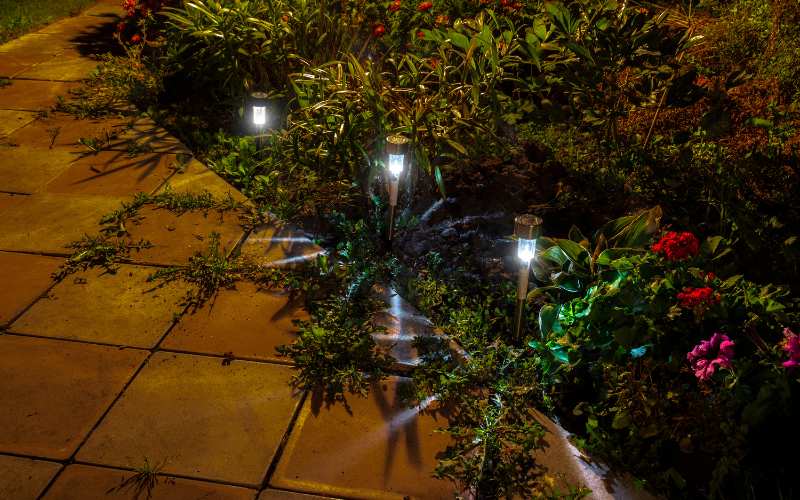
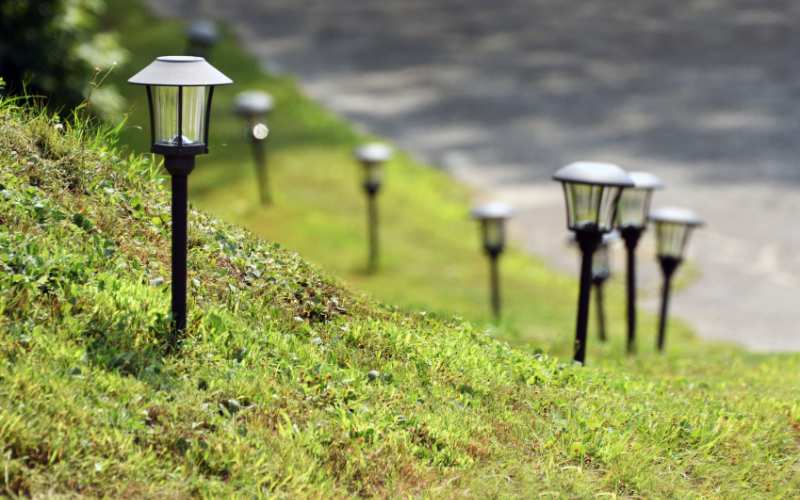
  • Solar Stake Lights: Simply push these into the ground around your water feature for instant illumination. They’re easily repositionable and perfect for those reluctant to deal with wiring.

Remember, while DIY options offer creativity and cost savings, it’s crucial to prioritize safety, especially when working near water.

Eco-friendly Lighting Options

Environmental consciousness has surged, and rightfully so. Here are some eco-friendly lighting options for water features:

  • Solar Lights: As previously mentioned, these reduce reliance on non-renewable energy sources, harnessing the sun’s power.
  • Low-Voltage LED Lights: Consuming less power than traditional bulbs, LEDs are both energy-efficient and long-lasting.
  • Motion Sensors: Instead of keeping lights on continuously, motion sensors ensure they’re activated only when needed, conserving energy.
  • Timers: Like motion sensors, timers can be set to turn lights on and off at specific times, preventing unnecessary energy consumption.

Integrating eco-friendly lighting not only helps the environment but can also yield significant savings in the long run.

Floating Lights

Floating lights are a visual delight, casting gentle glimmers across the water’s surface. Unlike other lights that require submersion or attachment, these are designed to drift effortlessly, delivering a dynamic luminous experience.

  • Versatility: Floating lights can be placed in any water feature, from grand reflecting pools to small garden ponds. They come in a myriad of designs – glowing orbs, faux lilies, and even multi-colored LED discs.
  • Ease of Use: Since they don’t necessitate any wiring, you simply place them on the water’s surface, and they’re ready to dazzle. Most modern floating lights are solar-powered or battery-operated, eliminating the hassle of constant charging or power connections.
  • Event Applicability: For special occasions or parties, floating lights can instantly elevate the ambiance. You can opt for color-changing models to set the mood or synchronize multiple units for a coordinated light show.

While enchanting, one must ensure that they don’t pose a risk to aquatic life. Keep an eye on battery health and replace them when necessary.

Benefits of LED Lights

LED (Light Emitting Diode) technology has revolutionized the lighting industry, especially in the realm of aquatic illumination.

  • Energy Efficiency: LEDs use a fraction of the energy compared to traditional incandescent or halogen bulbs. This translates to significant savings on electricity bills over the light’s lifespan.
  • Longevity: LED lights have an impressive lifespan. On average, they can last up to 25,000 hours, meaning fewer replacements and reduced maintenance costs.
  • Temperature Control: Unlike other bulbs, LEDs emit minimal heat. This feature is crucial in water features as excessive heat can harm aquatic life and alter water temperatures detrimentally.

Moreover, LEDs offer an array of colors and brightness levels. Their compact size also allows them to be integrated seamlessly, enhancing aesthetics without being obtrusive.

Aquatic Lighting Ideas

Water features are the focal points of many landscapes. With innovative lighting, their charm can be magnified manifold.

:Aquatic Lighting Ideas

  1. Underwater Shadow Play: Place lights at the base of fountains or waterfalls. As the water cascades, the lights create captivating shadows and reflections.
  2. Perimeter Highlighting: Outline the boundaries of your pond or pool with soft LED strips. It provides a definition and makes the feature stand out after sundown.
  3. Spotlighting: Use directional lights to highlight specific elements like a sculpture, a unique plant, or a rock formation.
  4. Color Themes: On special occasions, switch to colored lights. A serene blue for calm evenings or a vibrant red for festive nights can make all the difference.

Submersible Lights Safety Tips

Safety should never be compromised, especially when mixing electricity and water.

  • Waterproof Ratings: Ensure your submersible lights have a high IP (Ingress Protection) rating, signifying their resistance to water penetration.
  • Quality Cables: Opt for heavy-duty, waterproof cables that are resistant to wear and tear.
  • Regular Inspections: Periodically check for any signs of damage or wear. Even a small compromise can lead to leaks and potential electrical hazards.
  • GFCI Protection: Always connect your submersible lights to a Ground Fault Circuit Interrupter (GFCI) outlet. This device will cut off power if it detects any imbalance, preventing electric shocks.

Transformative Lights

The term ‘transformative lights’ encapsulates lighting solutions that drastically alter and enhance the ambiance of a space.

  • Interactive Lights: Modern advancements have birthed lights that respond to external stimuli. For instance, lights that change color or intensity with music beats can turn your garden into a dance floor.
  • Synchronized Systems: Advanced systems allow multiple lights to operate in harmony, creating patterns, sequences, and coordinated displays.
  • Smart Integration: With smart home systems, control your water feature’s lighting with voice commands or remotely through apps. Set timers, adjust brightness, or change colors with the swipe of a finger.

These transformative lights not only elevate the visual appeal but also provide an immersive experience for the onlooker.

Choosing the Right Bulbs

When it comes to illuminating water features, choosing the right bulb can make a world of difference.

 Choosing the Right Bulbs

  • Purpose Driven Selection: Understand the primary goal of your lighting. For accentuating, you might need a bulb with a narrower beam and higher intensity. For ambiance, softer bulbs with broader beams could be preferable.
  • LED vs. Incandescent: LED bulbs are the modern go-to. Not only are they more energy-efficient, but they also have a longer lifespan than traditional incandescent bulbs. Incandescents, although warmer in hue, consume more power and need frequent replacements.
  • Brightness & Color: With LED technology, you can select from a range of color temperatures. From warm yellow hues (2700K) to neutral daylight (5000K), choose what complements your water feature best.
  • Compatibility: Always check the bulb’s compatibility with your existing fixtures. Not all bulbs will fit all sockets or work with all systems.

Lastly, consider the ecological impact. If your water feature houses aquatic life, ensure your bulbs won’t alter the water temperature detrimentally or emit harmful UV rays.

Lighting for Reflecting Pools

Reflecting pools, with their serene water surfaces, can be mesmerizing when lit appropriately.


  • Surface Reflection: By placing lights around the perimeter, you can capture the reflections of surrounding landscapes, trees, or structures. This can dramatically enhance the pool’s appearance during twilight hours.
  • Underwater Uplighting: Positioning lights beneath the surface, angled upwards, can create a unique illumination effect. The water’s ripples refract this light, adding depth and movement to the scene.
  • Mood Setting: Depending on the surrounding environment and the desired ambiance, choose between warm or cool lighting. Remember, a balance between the two can also be striking.

Enhancing Aesthetics

The primary purpose of adding lighting to water features is to amplify their beauty.

  • Layered Lighting: Instead of uniformly brightening an area, try layering. Combine spotlights, ambient lights, and accent lights to provide depth and texture.
  • Shadows & Silhouettes: Position lights strategically to cast intriguing shadows or highlight silhouettes of aquatic plants or sculptures.
  • Harmonizing with Nature: Consider the natural moonlight and starlight. On clear nights, softer lighting that complements the natural luminescence can be magical.

Professional Installation

While many enthusiasts opt for DIY installations, hiring professionals has its merits.

  • Safety Assurance: Professionals are equipped with the knowledge to install lighting safely, ensuring all electrical components are correctly and securely fitted.
  • Tailored Solutions: With their expertise, they can recommend and implement lighting designs tailored to your specific water feature, considering factors like size, depth, surrounding landscape, and your preferences.
  • Maintenance Tips: Post-installation, professionals can provide insights into maintenance, bulb replacements, and potential upgrades.

If you’re leaning towards a DIY approach, always consult with a professional beforehand to get guidance, especially concerning safety.

Best Brands

In the realm of water feature lighting, certain brands stand out due to their quality, innovation, and reliability.

  • OASE: Known for its high-quality pond equipment, its lighting solutions are durable and tailored for various water features.
  • Aquascape: A favorite among professionals and hobbyists alike. Their lights are known for longevity and vibrant illumination.
  • Lumishore: If you’re venturing into the high-end spectrum, Lumishore offers sophisticated lighting solutions, especially for larger water features.
  • Pentair: Their aquatic systems, including lights, are eco-friendly and designed keeping both aesthetics and safety in mind.

Remember to always check reviews, ask for recommendations, and ensure the chosen brand fits within your budget and meets all your requirements.

Power Options

When illuminating water features, understanding your power options is crucial for both function and safety.

Mains Electric:

  • Pros:
    • Offers consistent and powerful illumination.
    • Suitable for larger water features or ones requiring intense lighting.
  • Cons:
    • Requires professional installation to ensure safety.
    • Permanent fixtures can hinder flexibility.

Solar:
Solar-powered lights harness energy from the sun, storing it in batteries for use after dark.

  • Pros:
    • Environmentally friendly.
    • No running costs after the initial purchase.
    • No wiring is required, making it easy to move and adjust.
  • Cons:
    • Light intensity can vary depending on the amount of sunlight received during the day.
    • Typically not as bright as mains-powered options.

Battery Operated:
These are wireless and offer flexibility in placement.

  • Pros:
    • No need for any external power sources or cables.
    • Suitable for temporary setups or events.
  • Cons:
    • Requires regular battery replacements.
    • Might not be as durable as permanent solutions.

Always weigh the pros and cons of each power source against your specific needs and the nature of your water feature.

Customizing Lights

Customization can significantly enhance the ambiance of a water feature, making it a unique centerpiece.

Colors & Intensity: Modern lights often come with adjustable colors and brightness. Using remote controls or even smartphone apps, you can change the mood at the touch of a button.

Timers & Sensors: Incorporate timers to turn on the lights during specific hours. Some advanced lights also come with sensors, illuminating based on the surrounding light conditions.

Themes & Occasions: Customizing lights based on seasons or occasions, like a soft pink for Valentine’s or vibrant colors for birthdays, can add a festive touch.

Shapes & Structures: Some lights are designed as floating orbs, flowers, or even creatures, adding an element of whimsy to your water feature.

Always keep an eye on emerging technologies. With rapid advancements in LED technology, there are always new and exciting ways to customize lighting.

Budget-friendly Solutions

Lighting a water feature doesn’t always have to break the bank. With careful planning and some creativity, you can achieve a stunning effect on a budget.

DIY Projects: Repurpose old Christmas lights or other lighting fixtures. With a bit of creativity, you can create mesmerizing effects without spending much.

Shop Sales & Discounts: Many brands offer seasonal sales. Keep an eye out, and you might snag a great deal.

Opt for Simplicity: Sometimes, less is more. A few strategically placed lights can offer a more elegant look than an overabundance of lights.

Maintenance: Regular maintenance can extend the life of your lights. Clean them regularly and replace any malfunctioning parts promptly.

Remember, the objective is to enhance the beauty of the water feature. Sometimes, even the most budget-friendly solutions can achieve stunning results.

Landscape Lighting Integration

Integrating your water feature lighting with the broader landscape lighting can create a harmonious and captivating outdoor space.

Balance: Ensure that the water feature doesn’t outshine the rest of the garden or vice versa. Aim for a balanced luminosity throughout.

Color Coordination: If using colored lights, ensure they complement or contrast pleasingly with the rest of the garden.

Unified Controls: Opt for systems that allow you to control all outdoor lights from a single point. This will ensure synchronization and ease of use.

Consistent Themes: If you’re aiming for a particular theme in your garden, make sure your water feature lighting complements it.

Safety: Ensure paths and walkways are adequately lit to avoid accidents. This is especially important near water features where the ground might be slippery.

Incorporating Lights in Modern Fountains

Modern fountains, with their sleek designs and dynamic water patterns, can be dramatically enhanced with the right lighting.

Underlighting: Placing lights at the base of the fountain, pointing upwards, can accentuate the water’s movement and add depth.

Spotlights: For fountains with statues or unique designs, spotlights can highlight these features.

Recessed Lighting: For a subtle effect, incorporate recessed lights that blend with the fountain’s design.

Interactive Lights: Some modern fountains come with interactive lights that change colors or patterns based on external stimuli, like music or wind.

Sustainability: Given that modern designs often emphasize eco-friendliness, opt for energy-efficient lighting solutions, such as LED or solar-powered lights.

In conclusion, lighting can drastically enhance the beauty and ambiance of water features. By considering your power options, customizing to your liking, sticking to a budget, integrating with landscape lighting, and updating modern fountains, you can achieve an outdoor space that’s both captivating and unique.

Conclusion

The art of blending lighting with water features is a delicate dance between technology, nature, and aesthetics. When executed well, the interplay of light with water can transform a space into a serene retreat or a vibrant focal point. The range of power options available today caters to diverse needs, from eco-conscious solar choices to more robust mains electricity. Customizing lights, especially with the myriad of modern innovations available, allows homeowners to infuse personal touches and preferences into their water features. For those on a budget, it’s heartening to know that mesmerizing effects can still be achieved with some creativity and resourcefulness. As landscapes and gardens evolve, integrating lighting seamlessly into these spaces becomes pivotal, ensuring that every corner, from the paths to the fountains, complements the other. In essence, the magic of water feature lighting lies not just in the bulbs and lumens but in the stories they help narrate and the ambiance they create. Embracing this art can lead to spaces that inspire, soothe, and enchant every viewer.


Outdoor Kitchen Design Ideas for Modern Homes

The allure of an outdoor kitchen cannot be denied. Imagine the tantalizing aroma of grilled delights wafting through the air, the gentle chirping of crickets as your backdrop, and the camaraderie of friends and family around a fire. An outdoor kitchen does more than just offer a cooking space – it brings your entire home life outdoors, blurring the boundaries between inside and out. Today, we’ll be diving into some innovative “Outdoor Kitchen Design Ideas” that cater to various aesthetics and functionalities. Whether you’re aiming for rustic vibes or a luxury oasis, we’ve got you covered.

Modern homes require more than just functional designs; they demand sustainability, luxury, and innovation. Integrating the right materials, appliances, and themes can convert a simple backyard into an extraordinary cooking and dining paradise. This article will discuss these concepts in-depth, including the essential considerations you need to keep in mind to ensure longevity and aesthetics.

Modern Outdoor Kitchen Ideas

Outdoor kitchens have evolved from simple grill setups to elaborate spaces that resonate with the overall aesthetics of contemporary homes. When we talk about modern outdoor kitchen design ideas, the emphasis is on functionality, sleekness, and innovation.

Modern Outdoor Kitchen Ideas

  • Countertops: Modernity champions sleekness. Consider using polished concrete or quartz for countertops. Not only are these materials robust against weather elements, but they also exude a sense of refined taste.
  • Appliances: The modern touch is best encapsulated with stainless steel appliances. Whether it’s a grill, refrigerator, or oven, the reflective surface of stainless steel blends perfectly with contemporary designs while ensuring durability.
  • Flooring: Think of geometric patterns or monochrome schemes. Large ceramic tiles in shades of grey or even matte-finished concrete can underline a modern aesthetic.
  • Cabinetry: Go for minimalist, handleless cabinets. Modern designs often avoid ornate details in favor of subtle sophistication.
  • Island Concepts: Modern kitchens often feature islands as central points. These can be equipped with sinks, stovetops, or prep areas, facilitating multitasking and enhancing kitchen dynamics.

Rustic Concepts

A rustic outdoor kitchen brings forth visions of countryside charm, harkening back to simpler times while not compromising on functionality.

  • Materials: Raw and natural should be your mantra. Wood, especially reclaimed or aged types, and stone play pivotal roles in achieving the rustic look. For countertops, consider rough-cut natural stones.
  • Appliances: While you can use modern appliances, encasing them in wooden or stone structures can maintain the rustic feel. A stone oven or a classic wood-fired pizza oven can be both functional and thematic.
  • Lighting: Opt for lantern-style lighting or even candles. These sources create a soft, warm ambiance that enhances the rustic mood.
  • Furniture: Wooden furniture, preferably untreated or in natural tones, is the go-to choice. Think about wooden benches or even log stools to further the countryside appeal.

Budget-Friendly Tips

Designing an outdoor kitchen needn’t burn a hole in your pocket. With a bit of ingenuity, you can have a functional and aesthetic space without the hefty price tag.

  • Recycled Materials: There’s a certain charm in repurposing. Old wood, previously used countertops, or even reclaimed bricks can be turned into essential parts of your kitchen.
  • DIY Furniture: Instead of buying expensive outdoor furniture, consider creating your own. Pallet furniture, for instance, is a trend that’s both economical and stylish.
  • Appliance Choices: While gas grills are convenient, charcoal ones are generally cheaper. Also, prioritize. Do you really need a wine cooler or would a simple icebox suffice?
  • Plant Decor: Instead of splurging on decorative items, use plants. They’re often cheaper and add a touch of natural vibrancy to the space.

Luxury Cooking Spaces

A luxurious outdoor kitchen goes beyond functionality; it’s about creating an experience, a space that radiates opulence and sophistication.

  • High-End Appliances: Consider brands known for their luxe factor. Wine coolers, kegerators, and top-of-the-line grills can make your kitchen stand out.
  • Materials: Luxury is often in the details. Marble or granite countertops, teak wood furniture, and even gold or copper accents can elevate the overall look.
  • Lighting: Go for mood lighting options that can be adjusted as per the occasion. Also, consider chandeliers or pendant lights made of premium materials.
  • Extra Features: Think about adding features like a bar area, a sound system, or even a mini theater setup. Luxury is about offering more than what’s expected.

BBQ Design Inspirations

Barbecuing is an art, and the space where it’s practiced should reflect that passion and expertise.

  • Grill Choices: The heart of a BBQ kitchen. Decide between charcoal for its smoky aroma or gas for convenience. Today, there are hybrid grills available that offer the best of both worlds.
  • Storage Solutions: Having dedicated spaces for charcoals, wood chips, sauces, and utensils can make the BBQ process smooth and efficient.
  • Island Configuration: A BBQ island can act as a focal point. Equip it with a grill, storage spaces, and perhaps a prep area. Overhead, consider a pergola with climbers for a touch of green and shade.
  • Seating Arrangements: Bar stools around the grill area allow guests to interact with the chef. It’s social, interactive, and fun.

By combining functionality, aesthetics, and personal preferences, you can create an outdoor kitchen that is not just a cooking area but a space where memories are made, stories are shared, and culinary delights are savored.

Patio Kitchen Layout Ideas

Creating an outdoor kitchen on your patio involves intricate planning to optimize space and aesthetics. Here are comprehensive insights into conceptualizing the perfect patio kitchen layout:

  Patio Kitchen Layout Ideas

  • Zoning: Like an indoor kitchen, your outdoor space should have clear zones. These typically include:
    • Preparation Zone: Featuring countertops, a sink, and perhaps a smaller refrigerator for ingredients.
    • Cooking Zone: This is where the grill, stovetop, and pizza oven would be.
    • Dining Zone: A place for a table, chairs, or even bar stools.
    • Storage Zone: Cabinets, shelving, or even a standalone storage unit for utensils, plates, and BBQ equipment.
  • Traffic Flow: Ensure that there’s ample space for people to move about. You wouldn’t want guests bumping into your BBQ while they navigate the space. A minimum of 3 feet between furniture and appliances usually suffices.
  • Connection to the Indoor Kitchen: If you’re going to be shuttling dishes or ingredients from the indoor to the outdoor kitchen, ensure easy access. This might involve positioning the outdoor kitchen close to the house or even adding sliding doors to facilitate movement.

Lighting Solutions

Lighting isn’t just functional; it sets the mood. Here’s how to perfectly light up your outdoor kitchen:

  • Task Lighting: Essential for areas where you prep or cook. LED spotlights under cabinetry or above grills ensure you’re not chopping veggies or grilling in the dark.
  • Ambient Lighting: This creates the atmosphere. Think string lights, lanterns, or even LED strips that can change color to match the mood or occasion.
  • Safety Lighting: Essential for paths, steps, or any other areas where guests might trip. Solar-powered stake lights or even low-voltage lighting can be both practical and atmospheric.
  • Accent Lighting: Want to highlight a particular tree, sculpture, or even the poolside? Accent lights, like uplights, can direct attention where you want it.

Furniture Ideas

Outdoor furniture should combine aesthetics, comfort, and durability. Here’s what to consider:

  • Material Choices: Materials like teak, wrought iron, or all-weather wicker are not only durable but also resist weather damage.
  • Seating Options:
    • Sofas and Chairs: Perfect for relaxed, conversational setups.
    • Bar Stools: Ideal around an island or a bar.
    • Benches: Can be space-saving and offer a rustic touch.
  • Storage Furniture: Think benches that open up to store cushions or tables with compartments for utensils.
  • Weatherproofing: Whichever furniture you choose, ensure it’s weatherproofed or covered when not in use to prolong its life.

Stone Themes

Natural stone brings an earthy, enduring charm to outdoor kitchens. Here’s how to integrate it:

  • Countertops: Materials like granite or slate don’t just look majestic but are also durable against the elements.
  • Flooring: Flagstone, bluestone, or even travertine tiles can lend a luxurious feel underfoot.
  • Walls and Backsplashes: A stone wall or backsplash behind the grill can be both functional (preventing stains) and aesthetically pleasing.
  • Fireplaces or Firepits: Stone fireplaces become the centerpiece of an outdoor kitchen, offering warmth and an inviting ambiance.

Appliances Guide

Appliances are the heart of any kitchen. When choosing for the outdoors, consider the following:

  • Weather Resistance: Ensure appliances are rated for outdoor use. Stainless steel is often preferred for its durability and resistance to rust.
  • Grills: Decide between:
    • Gas: For convenience.
    • Charcoal: For that smoky flavor.
    • Pellet: A mix of convenience and flavor.
  • Refrigeration: Outdoor-rated refrigerators are essential to keep ingredients fresh. Also, consider beverage coolers for drinks.
  • Ovens and Stovetops: Beyond grills, having a dedicated stovetop can be useful. Also, pizza ovens (wood-fired or gas) can elevate your outdoor cooking game.
  • Other Appliances: Think about ice makers, dishwashers rated for outdoor use, or even kegerators for draft beer enthusiasts.

Choosing the right layout, lighting, furniture, stones, and appliances for your outdoor kitchen is a fusion of personal preference, functionality, and aesthetics. With the right choices, your outdoor kitchen can be as inviting, efficient, and enjoyable as its indoor counterpart.

Pizza Oven Designs

Pizza ovens have transformed from mere cooking instruments to focal points in modern outdoor kitchens. Their design, coupled with the magic of wood-fired cooking, offers a unique ambiance. Here’s a deep dive into the world of outdoor pizza oven designs:

 Pizza Oven Designs

  • Traditional Brick Ovens: This is the classical choice, rooted in Italian culture. The brick construction not only offers an authentic look but also retains heat superbly, ensuring perfectly cooked crusts.
  • Stainless Steel Ovens: For a modern touch, stainless steel pizza ovens are sleek and resistant to the elements. They often heat up faster than brick, but might not retain heat as long.
  • Portable Designs: Ideal for those who enjoy mobility, portable pizza ovens are often gas-powered, lightweight, and perfect for small gatherings or family picnics.
  • Built-in Ovens: These are integrated into the overall outdoor kitchen design. While they’re stationary, they allow for a seamless design flow in the cooking area.
  • Custom Artisan Ovens: For those looking for a unique touch, custom designs with decorative tiles, or even mosaics, can be created to serve as a conversation starter.

Grill Setup Ideas

The grill, for many, is the cornerstone of the outdoor kitchen. Let’s explore various grill setup concepts

 Grill Setup Ideas:

  • Built-in Grills: Integrated into countertops or islands, these grills provide a streamlined appearance. They often come with additional storage beneath for utensils and grilling accessories.
  • Freestanding Grills: These are the classic, portable options. Modern designs now offer more than just grilling capabilities – think rotisseries, side burners, and even smoker boxes.
  • Charcoal vs. Gas: While gas grills offer convenience and quick heating, charcoal grills impart a smoky flavor that many BBQ enthusiasts crave. Some grills even offer hybrid functionalities.
  • Kamado Grills: These ceramic grills, often recognized by brands like Big Green Egg, offer incredible heat retention and versatility from grilling to smoking.
  • Grill Islands: For those looking to create a centralized cooking hub, grill islands offer integrated preparation spaces, storage, and sometimes even refrigeration or sinks.

Small Solutions

Limited space doesn’t mean compromising on style or functionality. Here are solutions tailored for smaller areas:

  • Modular Kitchens: These allow you to pick and choose components based on your space and needs. They can be reconfigured or expanded in the future.
  • Foldable Furniture: Opt for seating or tables that can be folded and stored away when not in use. This ensures the area remains uncluttered.
  • Vertical Storage: Use walls or tall storage units to maximize storage space vertically. Think hanging racks for utensils or wall-mounted spice racks.
  • Rolling Carts: These can serve as mobile prep stations, storage, or even portable bars. They can be wheeled out during use and stored away later.

Rooftop Ideas

Transforming a rooftop into a culinary paradise offers city dwellers a private escape. Here’s how:

  • Weight Considerations: Before setting up, ensure your rooftop can handle the weight. Lightweight furniture and grills are preferable.
  • Greenery: Incorporate planters or even vertical gardens to introduce greenery. This not only enhances aesthetics but can also serve as a source of fresh herbs.
  • Windbreakers: Rooftops can be windy. Consider retractable windbreakers or even glass partitions to shield the dining and cooking areas.
  • Shade Solutions: Pergolas or retractable awnings can protect against the sun while offering a cozy atmosphere.

Poolside Concepts

Marrying a pool with an outdoor kitchen can be the ultimate backyard luxury. Here’s how:

  • Seamless Integration: Ensure the design flow is consistent. For instance, if your pool has stone detailing, consider using the same or complementary stone in the kitchen area.
  • Wet Bars: Incorporate a bar with underwater bar stools. This allows guests to enjoy a drink without leaving the pool.
  • Safety First: Ensure electrical appliances are appropriately distanced from the pool. Also, consider non-slip flooring materials to prevent accidents.
  • Shade and Shelter: Cabanas or poolside pergolas can offer shade for those wanting to take a break from swimming but still remain outdoors.

With the right planning, any outdoor space, irrespective of its size or location, can be transformed into a gourmet’s delight. From compact rooftops to expansive poolside setups, the potential is boundless.

Bar and Kitchen Combos

Merging the comfort of a bar with the practicality of a kitchen is a trend that’s seeing significant growth. The experience is beyond just dining; it’s about entertainment, camaraderie, and ambiance.

 Bar and Kitchen Combos

  • Integrated Design: A well-integrated bar and kitchen combo considers fluidity. This means a cohesive countertop material from kitchen prep areas to bar serving zones and matching bar stools with dining chairs.
  • Zoned Yet Open: While the cooking and prepping area should be distinct from the bar, maintaining openness facilitates interaction. Guests can sip their drinks while watching a meal being prepared.
  • Bar Essentials: Beyond just a wine rack or cooler, think about built-in ice makers, pull-out cutting boards for lime and lemon wedges, and storage for a range of glassware – from wine glasses to highball glasses.
  • Practicalities: With drinks come spills. Opt for non-porous countertop materials like quartz which are easier to clean and more resistant to stain.
  • Ambient Lighting: Overhead pendant lights for the bar area and under-cabinet lighting for the kitchen can set the perfect mood.

Fireplace

The inclusion of a fireplace in an outdoor kitchen design is less about necessity and more about ambiance. It brings warmth, both literally and figuratively.

  • Central Attraction: A fireplace can be the central feature. Positioned so, it becomes a focal point around which seating and dining areas revolve.
  • Materials Matter: Stone fireplaces, whether rustic or polished, have a timeless appeal. For a sleeker look, consider using metals or even concrete.
  • Safety First: Position the fireplace at a safe distance from the main cooking area. Also, ensure there’s adequate ventilation, especially if the fireplace is under a covered area.
  • Dual Purpose: Think about fireplaces that double up as pizza ovens or incorporate a grill. This is a functional design at its best.

Sustainable Designs

Green, sustainable designs are not mere buzzwords; they represent a responsibility towards the environment.

  • Material Choices: Opt for sustainably sourced wood or recycled materials for cabinetry and decking. Locally sourced stone or concrete can reduce the carbon footprint associated with transportation.
  • Energy Efficiency: Appliances, even for outdoor spaces, come with energy ratings. Choose those that consume less power and are more efficient.
  • Waste Management: Incorporate composting units or segregated waste bins for recyclables and non-recyclables.
  • Water Conservation: Install low-flow faucets and consider rainwater harvesting systems for any outdoor sink or cleaning area.

Compact Cooking Spaces

A small space doesn’t mean you have to skimp on functionality or style. Compact cooking spaces can be just as effective.

  • Vertical Integration: Maximize vertical space. Use wall-mounted storage units, magnetic knife strips, and hanging pot racks.
  • Multifunctional Appliances: Appliances that perform multiple functions, like a grill-cum-oven or a cooker with a built-in griddle, save space.
  • Foldable Features: Foldable countertops or drop-down tables can provide prep space when needed and can be folded away after use.

Storage Solutions

An effective outdoor kitchen requires smart storage solutions. Not only does this reduce clutter, but it also improves functionality.

  • Weatherproof Cabinets: Materials like stainless steel or marine-grade polymer resist the effects of weather, ensuring longevity.
  • Pull-out Drawers: Instead of deep cabinets, pull-out drawers provide easier access to stored items. This is especially useful for heavy pots and pans.
  • Hidden Bins: Integrated trash and recycling bins ensure waste disposal without compromising aesthetics.
  • Overhead Storage: For items used less frequently, overhead storage units or even open shelves can be incorporated.

With the right design principles, even the most compact or unique spaces can be transformed into efficient, aesthetic outdoor kitchens. It’s all about optimizing what you have, being conscious of the environment, and prioritizing functionality alongside beauty.

Dining Area Inspirations

The dining area in an outdoor kitchen can easily become the heart of any gathering. It’s where food is savored, stories are shared, and memories are made.

  • Natural Elements: To bring in a serene and calming touch, consider integrating natural elements. A wooden dining table surrounded by lush greenery or a water feature can create a sanctuary-like feel. Pairing wooden furniture with soft, muted cushions can bring an elegant touch to your outdoor space.
  • Pergola Magic: Installing a pergola can change the entire dynamics of your dining area. It not only offers shade but, when adorned with fairy lights or vines, becomes an enchanting space.
  • Mix and Match: Don’t be afraid to mix different seating options. Bench seating on one side and individual chairs on another can add a dynamic touch to your dining area. Add bar stools around a kitchen island for additional seating.
  • Centerpiece Charm: Elevate your dining experience by adding a unique centerpiece. This could be a floral arrangement, an antique lantern, or even a bowl of fresh fruits.
  • Views Matter: If your property allows, position your dining area to take advantage of views. Overlooking a garden, a pool, or a scenic backdrop can immensely enhance dining.

Roofing Ideas

When considering roofing for an outdoor kitchen, one must factor in protection from elements, aesthetic appeal, and ventilation.

  • Retractable Awnings: These are ideal for areas where weather conditions are unpredictable. You can enjoy the sun on clear days and have protection during rains.
  • Natural Thatch: For a tropical or beachy feel, thatched roofs made from palm leaves or reeds are perfect. They offer shade and are also environmentally friendly.
  • Skylights: Consider incorporating skylights in solid roofs. They provide natural light during the day and a view of the stars at night.
  • Green Roofs: A sustainable and visually appealing option, green roofs are covered with vegetation. They act as insulation and are excellent for rainwater absorption.
  • Traditional Tiled Roof: For those preferring a classic look, a tiled roof can be both functional and stylish. Choose from clay, slate, or concrete tiles based on your preference and climate.

Green Concepts

Embracing green concepts in your outdoor kitchen design not only benefits the environment but can also provide a healthier space for your family.

  Green Concepts

  • Solar Power: Install solar panels to power your outdoor lighting or appliances. It reduces the energy footprint and can be cost-effective in the long run.
  • Edible Gardens: Incorporate planters or garden beds with herbs, vegetables, or fruits. It ensures fresh, organic produce right at your fingertips.
  • Water Conservation: Install a greywater system for your sink. This reclaimed water can then be used to irrigate plants or clean the floors.
  • Eco-friendly Materials: Choose sustainable materials for countertops, cabinetry, and flooring. Bamboo, for instance, is a renewable resource and has a chic appeal.

Flooring Options

The right flooring can elevate the look of your outdoor kitchen while ensuring safety and durability

 Flooring Options For Outdoor Kitchen.

  • Stone: Natural stone like slate, limestone, or travertine offers a rustic charm. They’re durable and can handle varying weather conditions.
  • Concrete: It’s versatile and can be stained or stamped to achieve various looks. It’s also easy to maintain and provides a sleek, modern appearance.
  • Decking: Wooden decks give warmth to an outdoor space. Choose woods like cedar, redwood, or teak that stand well against the elements.
  • Tile: Porcelain or ceramic tiles come in myriad designs. They’re easy to clean and can emulate the look of natural stone or wood.

Winter-Proof Ideas

Cold weather shouldn’t deter you from enjoying your outdoor kitchen. Here’s how you can make it winter-ready.

 Winter-Proof Ideas

  • Heated Flooring: Radiant floor heating systems can make it comfortable to walk, even when temperatures drop.
  • Wind Barriers: Consider retractable glass walls or screens. They block the cold winds without compromising the view.
  • Warm Lighting: Soft, yellow lighting can create a cozy and warm ambiance.
  • Fire Pits and Heaters: Portable or built-in, they’re essential to warm up the space. Ensure they’re safely positioned away from flammable materials.
  • Weatherproof Furnishings: Choose furniture that’s designed to withstand cold and moisture. Add plush cushions and throws for added warmth.

Remember, creating an outdoor kitchen is not just about aesthetics; it’s about crafting an experience. With the right design and features, it can become a haven you cherish throughout the year, regardless of the season.

Conclusion

Outdoor kitchens have transcended from mere cooking spaces to experiential zones where families and friends congregate to create and share memories. As modern homes continue to blend the indoors with the outdoors, the design and functionality of these spaces have never been more paramount. From selecting the right materials that endure varying weather conditions to ensuring the space is both sustainable and stylish, there’s a myriad of elements to consider. Dining under the stars, enjoying the warmth of a fireplace in winter, or simply indulging in the serenity of greenery, the possibilities are endless. However, the true essence of an outdoor kitchen lies not in its luxury or vastness but in its ability to bring people together in an ambiance that feels intimate, warm, and inherently human. In a rapidly digitizing world, such spaces are a gentle reminder of the simple joys of life. So, whether it’s a grand rooftop kitchen or a compact patio setup, let it reflect your personality, values, and, above all, your love for the great outdoors.


Backyard Living Space Ideas Trends, Tips, and Inspirations

A backyard has evolved from just a patch of green to an extension of the living space. Many homeowners are now recognizing the potential of their backyards, transforming them into personalized havens for relaxation, entertainment, and even for a sustainable lifestyle. In this comprehensive guide, we’ll embark on a journey to explore Backyard Living Space Ideas that are not just on-trend but also functional, ensuring that every square foot of your outdoor space reflects your personal style and caters to your needs.

From sustainable practices to entertainment areas, and from alfresco dining setups to rooftop terraces, the possibilities are endless. As we delve into each topic, keep in mind that your backyard is a blank canvas. Whether you have a sprawling lawn or a tiny balcony, it’s all about making the most of what you have and creating a space that resonates with you.

Sustainable Backyard Living Space Ideas

The emphasis on sustainability in recent years has made eco-friendly backyards a rising trend. It’s more than just adding a couple of plants; it’s about creating a space that benefits the environment, the local ecosystem, and your well-being

Sustainable Backyard Living Space Ideas.

  • Native Plants: Selecting plants native to your region is not only beneficial for the local ecosystem but also ensures that they thrive with minimal intervention. They require less water and are more resistant to local pests.
  • Rainwater Harvesting: By installing systems to collect and store rainwater, you can ensure a consistent supply for your plants while reducing your dependence on local water sources. This practice not only helps conserve water but can also save you money in the long run.
  • Composting: The beauty of composting is two-fold. First, it provides a means of reducing kitchen and garden waste. Secondly, the resultant compost is a rich, organic matter perfect for nourishing your garden.
  • Solar Lighting: Rather than using electrical lighting for your garden, consider solar-powered options. They charge during the day and light up your space at night, offering a sustainable and mesmerizing ambiance.
  • Organic Gardening: By avoiding chemical pesticides and fertilizers, you not only make your garden safer for you and your family but also promote healthier soil and groundwater conditions.

Backyard Design Concepts

A backyard is a reflection of one’s aesthetic, aspirations, and sometimes, even their personality. Here’s how you can design your backyard to make it truly yours:

  • Zoning: Splitting your backyard into zones or “rooms” can give it structure and make it more functional. For instance, having a separate dining, lounging, and play area.
  • Incorporation of Elements: A balance of earth, water, and fire elements can offer a more harmonious feel. Consider adding a water feature, an outdoor fireplace, and plenty of greenery.
  • Focal Points: Whether it’s a statue, a beautiful tree, or a gazebo, having a focal point can make your garden design more centered and pleasing to the eyes.
  • Curved Paths: Instead of straightforward paths, consider meandering or curved ones. They add an element of mystery and exploration to the space.
  • Color Palette: A consistent color palette can tie your garden together. From flowers to furniture, having a theme can be visually soothing.

Outdoor Room Inspirations

Outdoor rooms extend your living space and can be just as comfortable as your indoor rooms. They offer an opportunity to enjoy the outdoors without sacrificing comfort.

Outdoor Room Inspirations

  • Reading Nook: A quiet corner with a comfortable chair, surrounded by fragrant flowers and maybe even a small fountain for a calming effect.
  • Outdoor Cinema: A space with cozy lounges, a projector, and a screen. Add some fairy lights and popcorn, and you’re all set for movie night under the stars.
  • Meditation Space: A serene corner filled with calming plants, a comfortable seating mat, and perhaps a small Buddha statue or a chime.
  • Hobby Area: Depending on what you love doing, this could be a potting bench for gardening, an easel for painting, or a small stage for those who love to perform.

Patio Decorating Ideas

The patio often serves as the main hub of activity in backyards. Decorating it right is crucial for aesthetics and functionality.

Patio Decorating Ideas

  • Furniture: Depending on the size, consider adding a dining set, a lounge sofa, or even a hammock. Ensure they’re weather-resistant and comfortable.
  • Lighting: Fairy lights, lanterns, or even candles can transform evening ambiance. If sustainable options interest you, solar lights are a must-have.
  • Planters: Incorporating plants in decorative pots or vertical gardens can add life and color. Consider herbs, which are both beautiful and practical.
  • Textiles: Rugs, cushions, and curtains not only add comfort but also introduce colors and patterns. Ensure they are suitable for outdoor use to prevent mold and fading.
  • Art: Weatherproof art pieces or sculptures can make your patio stand out and reflect your personal style.

Garden Retreat Themes

Everyone has a unique taste, and your garden can be a direct reflection of that. Here are some themes to consider:

  • Tropical Paradise: Lush greenery, colorful flowers, and perhaps a small pond. Bamboo furniture and tiki torches complete the look.
  • Zen Oasis: Think minimalist. Sand, stones, and specific plants like bonsai or bamboo. A small water feature or a Buddha statue can elevate this theme.
  • English Countryside: Lavenders, roses, and a neatly trimmed lawn. White wrought-iron furniture and a small tea table set can make you feel like you’re in a Jane Austen novel.
  • Mediterranean Retreat: Olive trees, terracotta pots, and a color palette of whites and blues. Consider adding a pergola covered in grapevines for the perfect touch.

By considering these ideas and integrating them with your personal preferences and needs, you can create a backyard that’s not just trendy but also timeless. It’s about making the space truly yours, a place where memories are made, and every moment is cherished.

Furniture Selections

Selecting the right furniture for your backyard isn’t merely about aesthetics; it’s also about functionality and sustainability. Here’s a comprehensive guide to making the right choice:

Furniture Selections

  1. Material Choices: Furniture durability largely depends on the materials used.
    • Wood: Woods like teak, eucalyptus, and cedar are popular for outdoor settings due to their resistance to decay. They offer a natural, timeless look. Regular maintenance with sealants ensures longevity.
    • Metal: Aluminum, wrought iron, and stainless steel are common. While aluminum is lightweight and doesn’t rust, wrought iron is heavy and needs occasional painting.
    • Resin & Plastic: Affordable and lightweight, they resist weather conditions, though they might not offer the same aesthetic appeal as other materials.
  2. Comfort: Don’t sacrifice comfort for durability. Look for ergonomically designed furniture, and invest in cushions where necessary.
  3. Storage: Consider foldable furniture or pieces that are easy to stack if you plan to store them indoors during harsh weather conditions.
  4. Eco-friendly Options: Sustainability is key. Look for brands that source materials sustainably or offer furniture made from recycled materials.

Alfresco Dining Setups

Dining alfresco is one of life’s simple pleasures. Setting up your outdoor dining space requires a blend of aesthetics, practicality, and weather considerations:

Alfresco Dining Setups

  1. Choosing the Right Table: Size matters. Ensure it’s big enough for family gatherings but doesn’t overwhelm the space.
  2. Seating: Besides the traditional chairs, consider benches or even floor cushions for a more laid-back feel.
  3. Lighting: Soft, ambient lighting creates a wonderful atmosphere. Use lanterns, fairy lights, or even candles in protective casings.
  4. Weather Protection: Consider a pergola, large umbrella, or a gazebo to protect against the sun or unexpected rain.
  5. Accessories: Decorative centerpieces, outdoor tablecloths, and a portable music system can enhance the experience.

Outdoor Kitchen Designs

Taking the kitchen outdoors has become a massive trend. Here’s how you can set one up without compromising on functionality:

Outdoor Kitchen Designs

  1. Layout: Decide between a basic L-shape, a U-shape, or just a linear layout depending on your space.
  2. Appliances: The basics usually include a grill, a sink, and some counter space. If you’re feeling fancy, add a pizza oven or even an outdoor fridge.
  3. Materials: Stainless steel is the go-to due to its resistance to various weather conditions. However, stone and brick are also popular choices for a more rustic look.
  4. Safety: Ensure there’s a safe distance between the grill and flammable materials. Also, having a fire extinguisher close is a good idea.
  5. Weatherproofing: Make sure all appliances are suitable for outdoor use. Consider protective coverings for when they’re not in use.

Lounge Areas

Creating a lounge area in your backyard is like setting up an outdoor living room:

: Lounge Areas

  1. Seating: Sofas, daybeds, bean bags, and hammocks are all excellent choices. Ensure they’re weather-resistant or have removable covers for washing.
  2. Centerpiece: An outdoor coffee table or fire pit can serve as a focal point. Ensure it complements the seating in size and style.
  3. Shade Solutions: Think about sun direction and consider shade solutions like umbrellas, pergolas, or even tall plants.
  4. Personal Touch: Rugs, cushions, side tables, and even outdoor bookshelves can add character.

Outdoor Fireplace Ideas

Nothing beats the ambiance of an outdoor fireplace on a chilly evening:

  1. Type: Decide between a traditional wood-burning fireplace, a gas fireplace, or a portable fire pit. Each has its advantages and fits different needs.
  2. Location: Place it away from flammable structures. Consider wind direction to avoid smoke drifting into the home.
  3. Materials: Brick and stone are classic choices, but modern designs also use concrete or even metal.
  4. Safety: Ensure a safe perimeter around the fireplace, especially if there are kids or pets around. A mesh screen can prevent flying sparks.
  5. Seating: Surround your fireplace with comfortable seating. Whether it’s chairs, benches, or floor cushions, ensure they’re placed at a safe distance.

The backyard can be transformed into an extension of one’s home, reflecting personal style while offering functionality. Investing time in planning and setting up ensures not just a visually pleasing space but also a functional one that can be enjoyed throughout the year.

Water Features

Water features can transform a backyard into a tranquil oasis. Their soothing sounds can mask city noise and help to create a serene environment. But, how do you select the right one?

: Water Features

  1. Types of Water Features:
    • Ponds: A natural habitat for fishes and aquatic plants, ponds can be designed in various shapes and depths.
    • Fountains: Available in a plethora of designs, from traditional to contemporary, fountains recirculate water, offering a continuous soothing sound.
    • Waterfalls: These can be standalone or part of a pond system. They can be made with rocks, concrete, or metal sheets for a sleeker look.
    • Stream Beds: These mimic natural streams, often leading to a pond.
  2. Placement: Ideally, water features should be located where they can be seen and heard from outdoor seating areas. For smaller gardens, a corner placement works best.
  3. Maintenance: Regular cleaning, seasonal care (especially during winter), and checking the water pump will keep your feature running smoothly.
  4. Eco-Friendly Options: Solar-powered fountains save electricity. Also, using native aquatic plants in ponds promotes local ecosystems.

Lighting Solutions

Outdoor lighting isn’t just functional; it also sets the mood. However, striking a balance is crucial.

 Lighting Solutions

  1. Types of Lighting:
    • Ambient Lighting: Achieved using post lights, wall lights, and hanging fixtures.
    • Task Lighting: Relevant for BBQ areas, pathways, and security. Includes deck lights, pathway lights, and security lights.
    • Accent Lighting: Highlights specific features. Spotlights, landscape kits, and even solar garden lights fall into this category.
  2. Eco-Friendly Choices: Solar lights and LED bulbs consume less energy and are more sustainable in the long run.
  3. Safety: Ensure that cables are buried or well-protected. Waterproof fixtures are essential for areas exposed to rain.
  4. Design Tips: Use shadows to create intrigue. For instance, uplighting trees can cast fascinating shadows.

Landscaping

Landscaping is about more than just plants; it’s about creating a cohesive outdoor space.

  1. Planning: Understanding soil type, sunlight exposure, and drainage patterns is crucial. Sketch out a basic design considering these elements.
  2. Plant Selection: Opt for native plants that require less water and are more disease-resistant. Think of height, color, and blooming season for a year-round aesthetic.
  3. Hardscaping: This includes non-living elements like patios, pathways, and retaining walls. Materials range from natural stone, and brick, to concrete.
  4. Sustainability: Consider rain gardens, composting areas, and even permeable paving to reduce your environmental impact.

Entertainment Spaces

Your backyard can be the ultimate entertainment hub with the right setup.

  1. Outdoor Theaters: With a projector and a white sheet, you can host movie nights. Add cozy blankets and popcorn for a fantastic evening.
  2. Game Zones: Set up areas for horseshoes, cornhole, or even a mini-golf course.
  3. Bar and Beverage Stations: A dedicated space for drinks and snacks keeps the party going.
  4. Music: Weatherproof speakers spread throughout the garden can enhance the mood significantly.
  5. Themes: Consider different themes for parties – tropical, retro, or even a campout.

DIY Outdoor Seating

Personalized seating can add character to your backyard.

  1. Pallet Furniture: Reclaimed wooden pallets can be transformed into sofas, chairs, and tables. Just add cushions!
  2. Tire Seats: Old tires, when wrapped with rope or fabric, can serve as rustic outdoor seats.
  3. Cinder Block Benches: Stack them and slide in some lumber, and voila! A bench is ready.
  4. Swings and Hammocks: While some might need a sturdy tree, others can be set up using stands.
  5. Tips: Always ensure safety, especially if repurposing materials. Sanding edges, securing elements properly, and weatherproofing are crucial steps.

Your backyard, with the right elements, can truly become an extension of your living space. Whether it’s the tranquil sound of water, the mesmerizing play of lights, or the lushness of well-planned landscaping, every element plays its part in creating a perfect outdoor sanctuary.

Rooftop Terrace Designs

Rooftop terraces have transformed from being just an additional outdoor space to becoming urban retreats offering solace amidst city skylines. Their elevated position offers a unique perspective, often revealing panoramic city views or serene landscapes.

  1. Zoning: Divide your rooftop into areas for dining, relaxation, and possibly even a garden. Different zones create a feeling of expansiveness and purpose.
  2. Greenery: Incorporating planters, vertical gardens, or even miniature trees can create an urban jungle above the city. Choose plants that can withstand wind and direct sunlight prevalent on rooftops.
  3. Furniture: Given that rooftop terraces can be exposed to harsher weather, select weather-resistant furniture. Consider lightweight pieces that can be moved and rearranged easily.
  4. Safety: Always ensure that the rooftop is designed to handle the weight and traffic. Railings and non-slip surfaces are essential.
  5. Lighting: Soft, ambient lighting can create a magical atmosphere. Consider string lights, solar lanterns, or even LED strips to outline different zones.

Pergola and Gazebo Inspirations

Pergolas and gazebos are timeless additions to any backyard, offering shade, visual interest, and a designated space for relaxation or entertainment.

  1. Pergolas: Traditionally, pergolas are open structures with cross beams. They can:
    • Serve as a walkway.
    • Be dressed up with vines and climbing plants.
    • Incorporate drapes or curtains for added privacy and aesthetics.
  2. Gazebos: These are often octagonal, roofed structures, usually detached from the house. They can:
    • Host seating or dining areas.
    • Incorporate built-in benches or swings.
    • Feature ornate designs or simple, rustic aesthetics, depending on the garden’s theme.
  3. Material Choices: Both pergolas and gazebos can be constructed using wood, metal, or vinyl. The choice often depends on the desired look, maintenance level, and budget.
  4. Placement: Positioning is crucial. These structures can serve as focal points, so they should be located where they can be both functional and visually appealing.

Flooring Options

The ground beneath your feet can dramatically impact the look and feel of your outdoor space.

  1. Decking: Wooden decks are classics. They offer warmth and a natural feel. Choices range from softwoods to more durable hardwoods. Composite decking is a sustainable alternative, made from wood fibers and recycled plastic.
  2. Tiles: Outdoor tiles come in various materials like ceramic, porcelain, and stone. They’re durable and can emulate various looks, from rustic to modern.
  3. Concrete: Plain or stamped, concrete is versatile. It can be dyed, textured, or patterned to suit any design preference.
  4. Grass and Ground Covers: For those wanting a touch of green, grass or other ground covers like moss can be used. They are soft underfoot and blend seamlessly with garden areas.

Privacy Solutions

For most, a backyard is a private retreat. Here’s how to keep it that way:

  1. Fencing: Traditional and effective, fences come in various designs and materials, each offering varying levels of privacy.
  2. Hedges: Natural and green, hedges can serve as privacy screens. Ensure you pick species that grow dense and tall.
  3. Privacy Screens: These can be standalone panels or attached to existing structures. They can be made from wood, metal, or even fabric.
  4. Curtains and Drapes: Particularly for pergolas or gazebos, adding curtains can offer both privacy and a touch of elegance.

Balcony Decorating Ideas

For many city dwellers, a balcony is the only outdoor space. But, with a dash of creativity, it can be transformed into a cozy retreat.

 Balcony Decorating Ideas

  1. Furniture: Space-saving furniture, like foldable tables, stacking chairs, or even hammocks, can be ideal.
  2. Plants: Vertical gardens, hanging pots, or railing planters can bring life to a balcony without consuming floor space.
  3. Rugs and Floor Cushions: Add warmth and comfort to the balcony. They can also infuse color and pattern, elevating the aesthetics.
  4. Lighting: Fairy lights, lanterns, or even candles can make evenings magical.
  5. Themes: From boho-chic to minimalist, pick a theme that resonates with you and reflects in your choice of furniture, fabrics, and decor.

With the right touches, any outdoor space, be it a sprawling garden or a compact balcony, can be transformed into a personal paradise. Remember, the key is to reflect your personality while considering functionality.

Garden Shed Transformations

Garden sheds have long been seen as simple storage spaces for tools and lawn equipment. But in recent years, many homeowners are discovering the potential of these small structures, transforming them into imaginative and functional spaces.

Versatile Uses:

  • Home Office: In this age of remote working, sheds can be revamped into a secluded workspace. This separation from the main house can boost productivity and reduce household disturbances.
  • Art Studio: For the creatively inclined, the shed can turn into a quiet place to paint, sculpt, or practice any form of art, surrounded by nature’s inspiration.
  • Gym or Yoga Space: Avoid the commute to a gym or studio. Add some mats, weights, and maybe a mirror, and your shed becomes a personal fitness center.
  • Reading Nook: Fill it with bookshelves, a cozy chair, and some soft lighting. This transformation can make the shed a peaceful spot to dive into a novel.

The key is insulation and electricity. Ensure your shed is weatherproof and equipped with the necessary power connections to cater to its new function.

Deck Design and Decor

The deck, an extension of your living space, provides the perfect spot for both relaxation and entertainment.

Foundation: Choose materials wisely. While wood offers a classic feel, composites are durable and require less maintenance. Depending on your climate and use, make the best choice for longevity.

Decor:

  • Furniture: Invest in comfortable, weather-resistant furniture. Sectionals, sun loungers, and dining sets cater to different needs.
  • Plants: Potted plants or built-in planters can bring in greenery. Varying the heights and types of plants can add depth and visual appeal.
  • Lighting: Illuminate your deck for evening use. Solar post caps, string lights, or even embedded LED lights can set the mood.

To ensure longevity, consider a pergola or awning for protection from the elements.

Poolside Ideas

A pool is undoubtedly the focal point of any backyard, but its surroundings play a crucial role in the overall ambiance.

  • Lounging: Invest in high-quality loungers, preferably with adjustable backs. They provide a place to sunbathe or relax post-swim.
  • Shade: While the sun is sought after, shade is essential. Cantilever umbrellas or cabanas can offer refuge from the sun’s intensity.
  • Safety: Especially in homes with children, safety barriers are a must. Opt for clear glass barriers; they’re effective without obstructing views.
  • Entertainment: A poolside bar or BBQ grill can transform your pool area into an entertainment hub.
  • Landscaping: Plants around the pool should be chosen considering the water splash. Avoid those that shed leaves excessively.

Outdoor Theme Parties

Themed parties can make any gathering memorable. When set outdoors, they open up myriad possibilities.

  • Beach Party: Even without a beach, set up sand, and beach balls, and serve tropical cocktails. Use tiki torches for lighting and play some reggae or beach tunes.
  • Garden Tea Party: Use vintage crockery, set up lace-covered tables, and serve tea with finger sandwiches and pastries. Soft pastel decorations and floral arrangements can complete the look.
  • Camp-In: Set up tents, light a bonfire (safety first!), and have a night of songs, stories, and marshmallow roasting.

When planning, always consider lighting, music, and decor to align with your chosen theme.

Spaces for Kids

Children need spaces that stimulate their imagination while being safe.

  • Playsets: Swing sets, slides, or even treehouses can provide hours of fun. Ensure they’re set up safely, with soft landings.
  • Educational Gardens: Allocate a patch for them to grow flowers, fruits, or veggies. It teaches responsibility and offers a sense of achievement.
  • Art Corner: Set up an outdoor easel or a crafting table. The outdoors can stimulate creativity, and you don’t have to worry about the mess!
  • Water Play: Small splash pads or inflatable pools can keep kids entertained during warmer months. Always supervise water play for safety.

Remember, the goal is to create an environment that’s both fun and safe. Incorporate their ideas when setting up, ensuring they feel a sense of ownership.

Conclusion

Transforming our backyards into functional, aesthetically pleasing spaces requires creativity, insight, and a touch of inspiration. From utilizing every nook and cranny, such as transforming garden sheds, to designing expansive decks, every element adds character to our outdoor sanctuaries. Integrating pools, planning thematic parties, or curating spaces especially for the little ones, all contribute to making our backyards more than just an open space. They become an extension of our homes, our personalities, and our lifestyles. Whether you’re redesigning for relaxation, entertainment, or both, remember to blend functionality with style. Your backyard, after all, is the canvas of your imagination; paint it with the hues of your dreams.