Deck Design Ideas for Every Home Style and Space
Decks are an extension of our homes, providing a comfortable and stylish space to enjoy the outdoors. Their versatility is showcased by the myriad of design ideas available for every kind of home style and outdoor space. Whether you’re working with a petite balcony or a sprawling backyard, there’s a deck design waiting to transform your space. This comprehensive guide dives into various deck design ideas, from modern, and rustic, to multi-level plans. You’ll gain inspiration, knowledge on materials, and even some DIY tips for those looking to embark on this home improvement journey.
As we venture through this guide, you’ll discover how decking materials have evolved, the difference between patios and decks, and even software recommendations to visualize your plans. By the end, you should be equipped with a plethora of ideas to bring your dream deck to life.
Deck Design Ideas for Small Spaces
Small spaces often pose challenges, but they also present unique opportunities for bespoke deck designs.
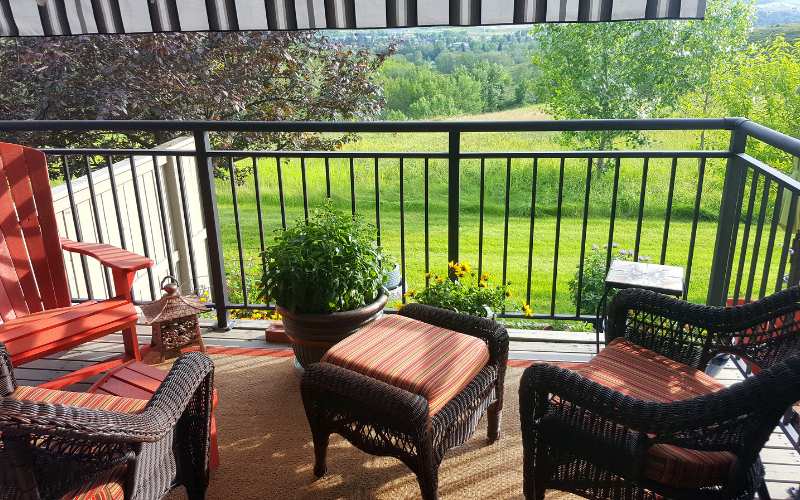
1. Maximizing Vertical Space: Vertical elements can be a game changer. Vertical planters, trellises, and wall-mounted features can make small spaces feel vibrant without eating into the ground area. For example, hanging planters with trailing plants can visually elongate the space, making it appear larger.
2. Foldable and Modular Furniture: Investing in furniture that can be folded, stacked, or easily reconfigured can allow your deck to be versatile. One day, it could be a cozy reading nook, the next, a space for a small gathering.
3. Strategic Layout: The way you arrange your furniture and elements plays a crucial role. Centering a main piece and allowing pathways around can optimize movement and provide a focal point, giving the space purpose and clarity.
4. Mirrors: A lesser-known trick in outdoor spaces – adding mirrors. This can double the visual depth, creating an illusion of a larger deck. When positioned strategically, they can also reflect light and brighten up shaded areas.
Modern Designs
![Modern deck designs]](https://urban-earth.co.uk/wp-content/uploads/2023/09/3-Modern-Designs-.jpg)
Modern deck designs embody clean lines, functionality, and an aura of simplicity while offering the utmost comfort.
1. Sleek Railings: The modern aesthetic is all about unobstructed views. Frameless glass railings, slender metal balusters, or even cord railings can maintain a clean look while ensuring safety.
2. Neutral Palette with Pops of Color: Modern designs often lean on a monochromatic or neutral palette. But that doesn’t mean color is absent. Introducing vibrant cushions, planters, or decor can add that needed splash of color, drawing attention and creating visual interest.
3. Integrated Technology: Modernity often walks hand in hand with technology. Integrating weatherproof speakers, smart lighting, or even outdoor projectors can transform your deck into a technologically advanced haven.
4. Minimalist Furniture: The modern design ethos gravitates towards functionality without excess. Streamlined furniture pieces, often in materials like metal, glass, or sleek wood, champion this cause. Remember, less is often more.
Wooden Styles
The allure of wooden decks is timeless, echoing the very nature that surrounds us.
1. Types of Wood: There’s a myriad of choices available, each with its unique hue and texture. Popular choices include cedar for its durability, redwood for its rich color, and mahogany for its luxurious feel. Teak, though more expensive, offers unparalleled longevity.
2. Maintenance Matters: While wooden decks are stunning, they demand care. Periodic staining or sealing can combat the effects of weathering, ensuring your deck remains as breathtaking as day one. It’s a labor of love that pays off in aesthetic dividends.
3. Integrating Nature: Wooden decks beautifully complement nature. Incorporating plant beds, or even creating wooden planters, can further this harmonization. Consider flowering plants or even herbs, adding both beauty and functionality.
4. Eco-Friendly Choices: Given the increasing global emphasis on sustainability, choosing reclaimed wood or sourcing from sustainable forests can be both an aesthetic and ethical choice.
Elevated Ideas
Elevated decks offer a unique vantage point, setting them apart from ground-level counterparts.
1. Safety and Style with Railings: Elevated decks demand secure railings. But safety needn’t be drab. Materials like tempered glass, ornate wrought iron, or even wood with intricate designs can marry safety with style.
2. Under-Deck Utilization: The space beneath the elevated deck shouldn’t be wasted. This could be a shaded seating area, a storage zone, or even a green oasis with plants and water features.
3. Step Designs: Incorporating varying levels or steps even in an elevated design can create distinct zones. This is especially useful in breaking the monotony and defining spaces without walls.
4. Views and Vistas: The primary allure of an elevated deck is the view it offers. Ensure the layout maximizes this, whether it’s a sweeping landscape, a garden, or a city skyline.
Multi-Level Plans
Multi-level decks are dynamic, breaking the horizontal monotony with vertical flair.
1. Defined Zones: Each level can serve a specific purpose. A dining area, a lounging zone, a planting bed, or even a mini-bar. The elevation changes demarcate spaces without walls.
2. Creative Stairways: The stairs connecting different levels aren’t just functional. They can be design statements. Consider wide steps that can double as seating or integrate planters within stair designs for green touches.
3. Water Features: Incorporating waterfalls or cascades that flow from one level to another can add a soothing ambiance, enhancing the sensory experience.
4. Lighting and Levels: Multi-level decks provide creative opportunities for lighting. Recessed lights in steps, mood lighting in specific zones, or even fairy lights draped across levels can add magic once the sun sets.
Pool Decorating Ideas
A well-decorated pool deck can turn an ordinary swimming pool into a luxurious resort-like oasis. The right decor can elevate the pool experience, making every swim or lounge session feel like a vacation.
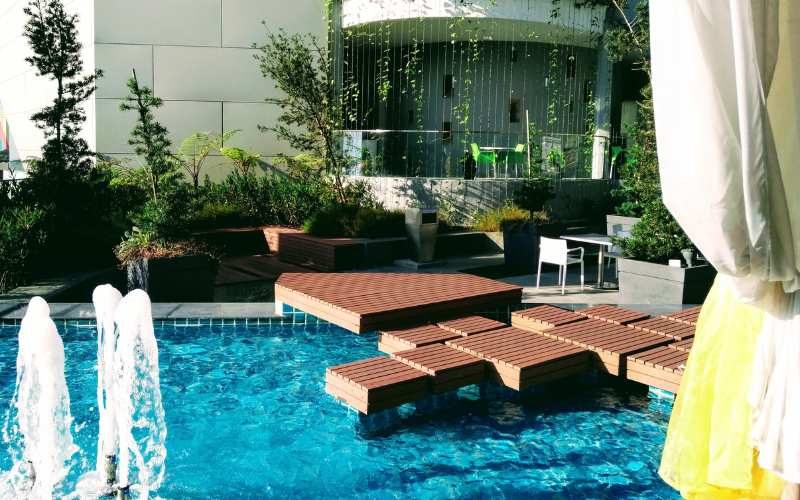
- Materials: Select materials that are slip-resistant and can withstand constant water exposure. Natural stone, specially treated wooden planks, and textured concrete are popular choices.
- Furniture: Invest in waterproof, sun-resistant furniture. Chaise lounges, umbrellas, and cabanas not only provide comfort but also add to the aesthetics. Remember, furniture with fabrics should be mold-resistant and easy to clean.
- Planting Around the Pool: Plants can create a tropical atmosphere. Consider species that don’t shed leaves frequently, to avoid constant pool cleaning. Palms, ornamental grasses, and yuccas are good options.
- Safety Features: While decorating, safety should not be compromised. Incorporate slip-resistant surfaces, clear pathways, and ensure any decor items do not obstruct visibility for those supervising swimmers.
- Personal Touches: Customize the space with outdoor art, sculptures, or even a poolside bar. Each addition should reflect the homeowner’s personality, making the space truly unique.
Lighting Solutions
Illuminating your deck enhances usability and ambiance after sundown. But lighting isn’t just functional; it can be a decorative element, too.
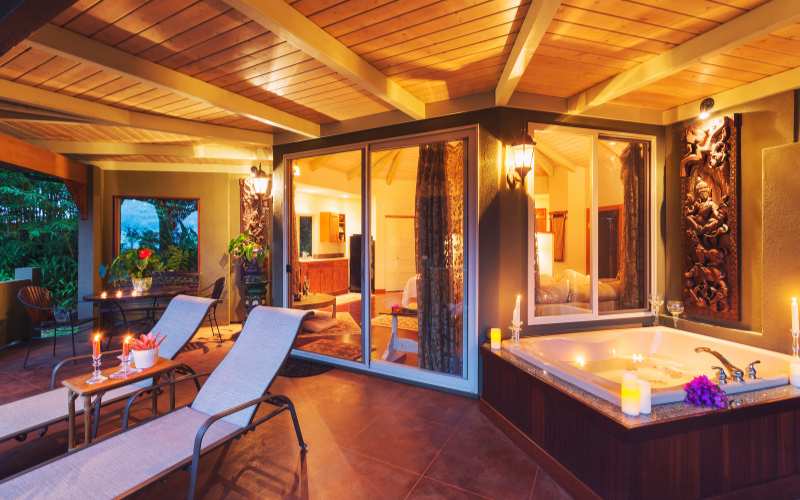
- Task Lighting: Essential for areas where specific tasks are performed like outdoor kitchens. LED strip lights under counters or solar post cap lights are effective choices.
- Ambient Lighting: Achieve a warm glow with string lights draped overhead or lanterns scattered around. These solutions create a soft, welcoming environment ideal for relaxation.
- Accent Lighting: Highlight specific elements such as planters, sculptures, or water features. Spotlights or well lights can draw attention to these pieces, making them focal points.
- Safety First: It’s essential to light up stairs, edges, or any changes in elevation to prevent accidents. Solar step lights or low-voltage riser lights can be both functional and stylish.
Rooftop Concepts
Rooftop decks offer an elevated experience—literally. They provide unique challenges but also breathtaking views and the feeling of an urban oasis.
- Weather Considerations: Rooftops are exposed to the elements more than traditional decks. Choose materials that can withstand intense sun, wind, and occasional rain. UV-protected furnishings and wind barriers are also worth investing in.
- Maximize Views: Ensure the layout and design elements don’t obstruct the view. Glass railings or low-profile furniture can provide unobstructed sightlines.
- Gardening: Greenery can make a rooftop deck feel more grounded. Consider container gardening or even green roofs that cover the entire surface with vegetation.
- Multipurpose Furniture: Space can be at a premium on rooftops. Furniture that doubles up for seating and storage or modular setups can be beneficial.
Composite Inspirations
Composite decking offers the beauty of wood without its maintenance challenges. It’s durable, resistant to pests, and doesn’t splinter.
- Variety in Patterns: Composites come in various shades and can be laid in diverse patterns—herringbone, diagonal, or even mixed-width designs.
- Eco-Friendly: Many composite boards are made from recycled materials, making them a sustainable choice.
- Integrated Features: Built-in benches, planters, or even storage compartments can be constructed using the same composite material for a seamless look.
- Low Maintenance: While composite decking may have higher upfront costs, savings in maintenance—staining, sealing, or painting—are significant in the long run.
Rustic Ideas for Backyards
A rustic deck can evoke feelings of a cozy countryside retreat, regardless of where you are.
- Reclaimed Wood: One of the hallmarks of rustic design is the use of reclaimed or aged wood. Not only is it environmentally friendly, but it also offers unmatched charm.
- Natural Elements: Incorporate stone fireplaces or water features. Even a simple stone pathway leading up to your deck can elevate the rustic feel.
- Antique or Handmade Furniture: Seek out furniture that tells a story. Maybe it’s a bench crafted from an old barn door or chairs that have a worn, weathered look.
- Warm Lighting: Lanterns, candles, and fairy lights can make evenings on a rustic deck magical. The soft, flickering light complements the natural materials often used in rustic designs.
Railings and Designs
Railings play a crucial role in ensuring safety while also enhancing the aesthetic appeal of your deck. They offer a unique blend of form and function, bridging the gap between safety requirements and design aspirations.
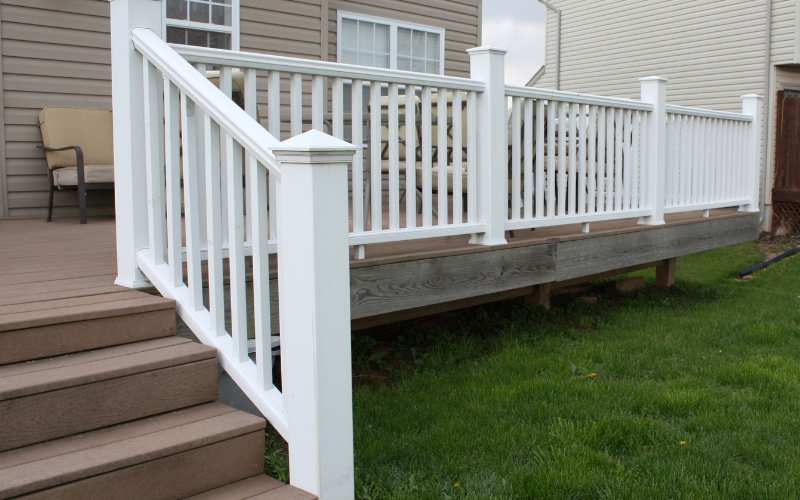
- Materials Galore:
- Wooden Railings: A timeless choice, wood offers natural warmth. Whether stained, painted, or left in its natural state, wooden railings can fit into virtually any design aesthetic.
- Metal Railings: Contemporary and sleek, metal railings—whether made of steel, wrought iron, or aluminum—are durable and can be designed into intricate patterns.
- Glass Railings: For those seeking an unobstructed view, tempered glass railings are a perfect solution. They offer a modern, sleek look while ensuring safety.
- Design Inspirations:
- Baluster Patterns: Changing the spacing or pattern of balusters can create an entirely new look. Think beyond straight vertical balusters; diagonal, crisscross, or even curved designs can elevate the appearance.
- Mixed Media: Combining materials, such as wooden posts with steel balusters, can create a sophisticated contrast.
Combining functionality with aesthetics, the right railing choice can transform a deck from simple to standout.
Sloped Yards
Decks on sloped yards present challenges but also opportunities. The natural gradient can be used to create a multi-dimensional outdoor space, offering unique vantage points and settings.
- Terraced Decks: Embrace the slope by building multiple levels. Each tier can serve a different purpose—dining, lounging, or gardening.
- Integrated Planters: Use the slope to your advantage by integrating planters between deck levels. It can create a lush, garden-like atmosphere.
- Retaining Walls: While primarily functional, preventing soil erosion, these can also be decorative. Natural stones or decorative concrete blocks can be used to add texture and interest.
- Stairs and Pathways: Connecting different levels will require stairs. Add lights, handrails, and perhaps some planters along the way for enhanced aesthetics.
Designing for a sloped yard can be complex, but the end result can be a dynamic, multi-level outdoor living space.
Fire Pits
A fire pit can be the heart of an outdoor deck, providing warmth, light, and a cozy gathering spot.
- Placement: Centralizing the fire pit can make it the main attraction. However, ensure it’s safely distanced from railings and furniture.
- Fuel Source:
- Wood: Traditional and provides crackling sounds and the mesmerizing look of dancing flames.
- Gas: Cleaner, easier to control, and start, but lacks the traditional fire ambiance.
- Propane: Portable options exist, allowing homeowners to move the fire pit as desired.
- Designs: From rustic stone fire pits to sleek metal designs, the choices are vast. Some even come with built-in seating or table-like rims for added functionality.
Safety is paramount. Always ensure there’s a fire extinguisher nearby, and avoid using the fire pit on overly windy days.
Furniture Layouts
Furniture placement can define the functionality and flow of your deck space
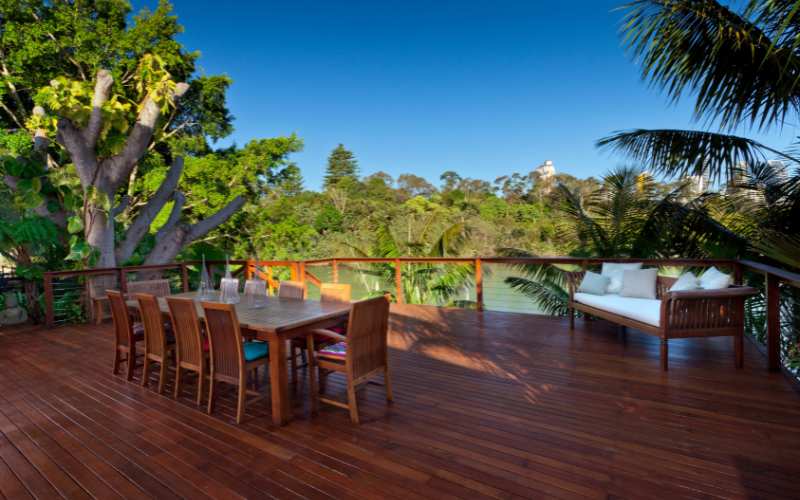 .
- Zoning: Create distinct zones for different activities. A dining area with a table and chairs, a lounging zone with sofas, and perhaps a quiet reading nook.
- Central Focal Point: This could be a fire pit, a coffee table, or even a water feature. Arrange seating around it to foster conversation.
- Space Management: For smaller decks, folding furniture or pieces with storage can be invaluable. It’s also essential not to overcrowd the space; allow room for movement.
- Orientation: Ensure that seating areas are oriented to maximize views, sun exposure, or shade, depending on preference.
The furniture layout should cater to the user’s lifestyle while ensuring the space feels open and harmonious.
Innovative Materials
The decking world has evolved far beyond traditional wood. Today, there are numerous materials that offer durability, sustainability, and unique aesthetics.
- Bamboo: A sustainable and robust alternative to traditional hardwoods. Bamboo decking is eco-friendly, durable, and offers a unique look.
- Aluminum: Unconventional but gaining popularity. Aluminum decks are lightweight, extremely durable, and resistant to insects and rot.
- Recycled Plastics: For the environmentally conscious, decking made entirely from recycled plastics offers a sustainable option.
- Concrete: Not just for patios anymore. Stamped concrete decks can mimic the look of stone, brick, or even wood.
Each material has its pros and cons regarding cost, maintenance, and aesthetics. It’s crucial to research and choose one that aligns with the deck’s intended look, feel, and functionality.
Pergola Design Ideas
Pergolas can enhance any deck, offering shade, beauty, and a framework for climbing plants. Their adaptable nature means they can fit into various styles and preferences.
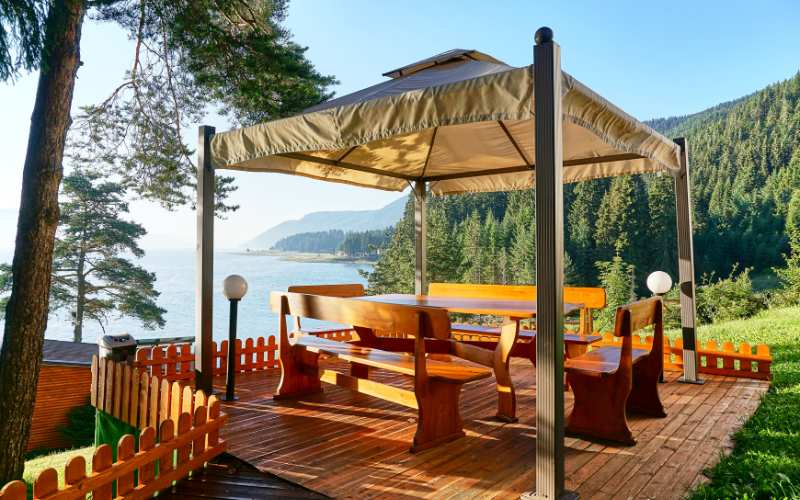
- Classic Wooden Pergolas: The timeless charm of wood suits almost all deck designs. They can be stained or painted to match the aesthetic of the home.
- Modern Metal Framework: Sleek and durable, metal pergolas often have a contemporary edge. Aluminum or steel are common choices, known for their resilience and clean lines.
- With Retractable Canopies: For those who want both sunlight and shade, pergolas with retractable canopies or curtains offer flexibility.
- Green Pergolas: Incorporating climbing plants such as ivy, roses, or grapevines can transform your pergola into a lush, living structure.
Remember, the design should complement the overall style of your deck and home, creating a seamless integration and enhancing the outdoor living experience.
Planting and Decor
Planting can breathe life into a deck, creating a refreshing, inviting space. But it’s not just about potted plants; the decor plays a significant role in setting the ambiance.
- Container Gardens: From small pots with vibrant flowers to large containers hosting miniature trees, they can define spaces and offer visual interest.
- Vertical Gardens: A solution for decks with limited space. They create a green backdrop without taking up valuable floor space.
- Decorative Elements: Incorporate elements like:
- Rugs: Outdoor rugs can delineate spaces and add color.
- Cushions and Throws: For comfort and a pop of color.
- Lighting: Fairy lights, lanterns, or even solar garden lights can set the mood.
Planting and decor should be cohesive, reflecting the desired ambiance, whether it’s a serene retreat or a lively entertainment hub.
DIY Building Tips
Building a deck yourself can be rewarding, both financially and personally. However, it’s essential to arm yourself with knowledge and tips.
- Planning: Draft a detailed plan, including measurements. Consider factors like the direction of the sun, prevailing winds, and the view.
- Material Choices: Research the pros and cons of materials, considering factors like maintenance, durability, and cost.
- Tools: Ensure you have the right tools. Basics include a circular saw, drill, hammer, and level.
- Foundations: Even if your deck is low, it’s crucial to secure it correctly. Concrete footings or helical piles can provide a solid base.
- Safety First: Always wear safety gear like gloves, goggles, and ear protection. Follow guidelines, especially when working with power tools.
Seek advice when unsure. Many local hardware stores offer workshops or guidance, and there’s a wealth of online resources.
Staining and Finishing Ideas
Staining and finishing can protect your deck and enhance its beauty. They’re not just functional steps but also design decisions.
- Transparent Stains: These allow the beauty of the wood grain to show through, ideal for high-quality woods.
- Semi-transparent Stains: They offer some color, giving a hint of shade while still showing some wood grain.
- Solid Stains: These are opaque, covering the wood grain but offering the most protection against UV rays.
- Deck Sealers: Instead of coloring the wood, they provide a clear protective layer against moisture.
- Paint: A more drastic choice, painting can give your deck a new look but might require more upkeep.
Regular maintenance, including cleaning and occasional re-application, will ensure your deck remains beautiful and durable.
Patio vs Deck
Understanding the difference between patios and decks can help homeowners make an informed decision based on their needs, budget, and property layout.
- Material:
- Decks are typically made from wood or composite materials.
- Patios, on the other hand, can be made from concrete, brick, stone, or tiles.
- Elevation:
- Decks are elevated structures, often attached to the house.
- Patios are ground-level and can be situated anywhere in the yard.
- Cost:
- Decks, especially wooden ones, can be more expensive due to the material and structure.
- Patios, depending on the material choice, might be a more budget-friendly option.
- Maintenance:
- Decks need regular staining or sealing.
- Patios might require sealing, especially if made from concrete, but generally demand less upkeep.
Both patios and decks have their merits. It’s essential to consider the long-term maintenance, initial costs, and desired aesthetics before deciding.
Terrace and Deck Differences
Terraces and decks, both captivating additions to a home, provide outdoor space for relaxation and entertainment. Despite these similarities, they differ in several significant aspects.
- Definition and Structure:
- Decks: Usually an open outdoor porch or platform without a roof and made of wooden planks. Decks are often elevated from the ground and are attached to a main building.
- Terraces: Derived from the Latin word “terra” meaning earth, a terrace is a paved or grassed flat area, usually on the top of a building or residence. It’s more integrated with its surroundings, feeling like an extension of the indoors.
- Usage and Location:
- Decks: Commonly positioned at the back of a home, decks serve as intermediate zones between interiors and the far extents of a yard. They’re particularly prevalent in homes with sizeable yards.
- Terraces: Often found in urban settings, terraces exploit rooftop spaces or can be carved out from a sloping landscape. They tend to be more formal and can sometimes be enclosed or semi-enclosed.
- Materials:
- Decks: Predominantly made of wood or composite materials.
- Terraces: Composed of a wider variety of materials like concrete, tiles, stone, and sometimes even grass.
Understanding the characteristics and requirements of each can help homeowners choose which suits their needs and environment better.
Software Recommendations
In the digital age, decking design has benefitted from software tools that help visualize, plan, and even estimate costs. Here are some top recommendations:
- SketchUp: A favorite among architects and designers, SketchUp offers a free version that’s adequate for deck designs. It’s 3D, intuitive, and comes with a vast library of components.
- Deck Designer: Offered by popular brand Trex, it’s an online interactive software tailored specifically for deck designs. It even provides a product list upon completion.
- AutoCAD: A more professional choice, AutoCAD’s capabilities go beyond deck designs. However, it has a steeper learning curve and is suited for those with design backgrounds.
- Big Hammer’s Deck Designer: Free, online, and equipped with integrated tools for planning, design, and cost estimation. A good choice for DIY enthusiasts.
When choosing software, consider your proficiency level, specific needs, and whether you’re seeking something free or are willing to invest in a premium tool.
Ideas on a Budget
Crafting a deck doesn’t always necessitate a hefty wallet. There are multiple ways to achieve a stunning deck on a budget:
- Reclaimed Wood: Sourcing wood from old barns, factories, or even wooden pallets can cut costs. Plus, they offer a rustic charm.
- Simple Designs: Intricate patterns and multi-level designs may require more materials and labor. Keeping designs simple can be cost-effective.
- DIY Approach: With the plethora of online tutorials, building a deck yourself can save labor costs. However, ensure you’re equipped with the right tools and knowledge.
- Economical Furniture: Consider second-hand furniture or even DIY furniture pieces. For instance, old wooden crates can be turned into charming outdoor seating.
- Local Plants: For decor, use local plants as they’re generally cheaper and easier to maintain than exotic ones.
Always remember, creativity can often outweigh budget constraints. With some research and ingenuity, a dream deck is achievable without breaking the bank.
Maintenance and Upkeep
A deck is an investment, and like all investments, it requires regular maintenance to ensure longevity and aesthetics:
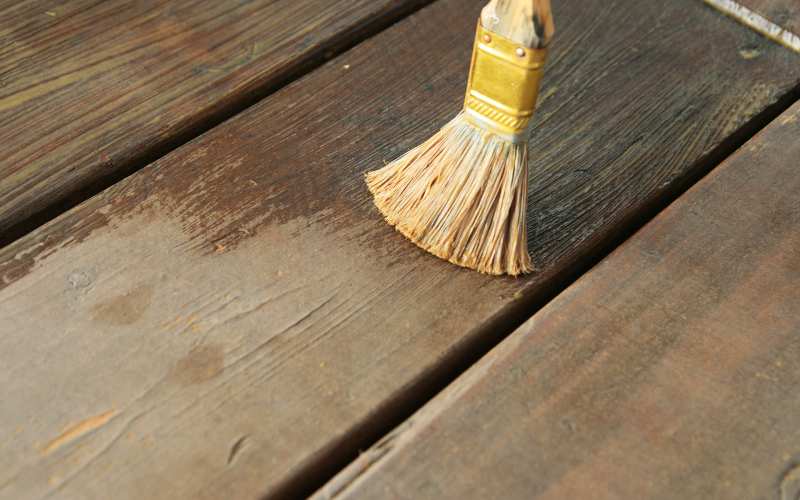
- Regular Cleaning: Use a soft brush and soapy water to clean your deck. For wooden decks, specialized cleaners are available that cater to the type of wood.
- Sealing and Staining: Especially for wooden decks, sealing every couple of years helps in repelling water and preventing decay. Staining can revive the color of your deck and protect it from UV rays.
- Checking for Damages: Regularly inspect your deck for any loose boards, protruding nails, or signs of rot. Addressing these issues promptly can prevent bigger problems in the future.
- Protection:
- Use furniture pads to prevent scratches.
- Consider a shade or pergola to protect from the direct sun.
- If located near trees, clean fallen leaves regularly to prevent mold and mildew.
- Composite Decks: Though requiring less maintenance than wood, they still benefit from regular cleaning. Avoid power washing as it might damage the material.
Consistent maintenance not only ensures a longer life for your deck but also keeps it looking fresh and inviting throughout the year.
Conclusion
Deck design is a vast and intricate topic, embracing both form and functionality. Whether you’re aiming for a modern, rustic, or elevated concept, the key is to harmonize with your home’s architectural style and the surrounding environment. From understanding the nuanced differences between terraces and decks to utilizing digital tools for visualization, the landscape of deck design is both innovative and traditional.
Budget constraints need not dampen your aspirations, as a bit of creativity can yield stunning results. And, like all home investments, regular maintenance is the secret sauce to ensuring your deck remains a cherished space for relaxation and entertainment for years to come. The myriad of design choices available today ensures that every homeowner, regardless of space or budget, can create an outdoor haven tailored to their desires. As you embark on your deck design journey, remember that the best designs often emanate from a mix of personal style, practical needs, and a touch of inspiration.