Lighting for Water Features What You Need to Know
Water features, be it backyard ponds, fountains, or koi ponds, serve as an anchor for many landscapes. Their ability to instantly uplift the ambiance of any space is unparalleled. However, without the right lighting, these water features can go unnoticed, especially during the evening hours. This article sheds light on the essentials of “Lighting for Water Features” to ensure that your aquatic installations remain as captivating at night as they are during the day. Dive in to explore various lighting solutions, techniques, and tips that can elevate the aesthetics of your water features.
Lighting for Water Feature Maintenance
Maintaining your water feature lighting isn’t just about keeping them shining bright—it’s about ensuring that the entire setup remains safe, functional, and aesthetically pleasing.

- Consistent Checkups: Regular inspections help in detecting any early signs of wear or damage. For instance, seals can deteriorate over time, which may allow water to seep into the fixtures, leading to malfunctions. Set up a routine inspection, preferably every month, to review the state of your lighting.
- Cleaning Routines: Algae, mineral deposits, and other debris can accumulate on the lights over time, diminishing their brilliance. This is particularly the case for submerged lights, which are constantly in contact with water. Using a soft brush and eco-friendly cleaners can help remove such buildups without damaging the lights or harming the aquatic life.
- Replacement of Bulbs: All bulbs, even the best ones, have a limited lifespan. Monitor your lights and be proactive about replacing bulbs that are starting to dim or flicker. Keeping a stock of spare bulbs can prove useful for such replacements.
- Water Quality: Maintain a balanced pH and regular cleaning of your water feature. Poor water quality can speed up the corrosion or deterioration of lights.
- Electrical Safety: Periodically check the wiring and connectors. Ensure there’s no exposure or wear, as this can pose safety risks.
Techniques for Ponds
Ponds serve as the centerpiece of many landscapes. The right lighting can accentuate their beauty, enhance visibility, and even promote safety during nighttime.
- Depth Considerations: The deeper parts of your pond might require more powerful lighting for effective illumination. Consider layering lights at different depths to achieve a dynamic effect.
- Positioning: Instead of placing all lights around the perimeter, consider positioning some within the pond to highlight specific features like a rock formation, aquatic plants, or fish.
- Light Angling: Directing lights upwards can illuminate the surface and create reflective patterns. Conversely, downward-facing lights can draw attention to the pond’s base and its features.
- Natural Integration: Try to integrate lights seamlessly with the natural surroundings. Using rock or foliage to hide or diffuse light can create a more natural and harmonious look.
LED Lights
LED lighting has revolutionized outdoor illumination due to its many advantages.
- Energy Efficiency: LED lights consume significantly less power compared to traditional halogen bulbs. This translates to notable savings on energy bills over time.
- Brightness and Color Range: LEDs offer a spectrum of colors. This allows for mood settings, from cool blues for a tranquil evening to vibrant colors for festive occasions.
- Heat Dissipation: Unlike traditional bulbs, LEDs emit very little heat, making them safer for aquatic environments. This ensures that the water temperature isn’t significantly affected, safeguarding aquatic life.
- Durability: LED lights have a longer lifespan, often running for up to 25,000 hours. This reduces the need for frequent replacements.
Underwater Lighting
Submerged lights create captivating effects, turning ordinary water features into mesmerizing spectacles.
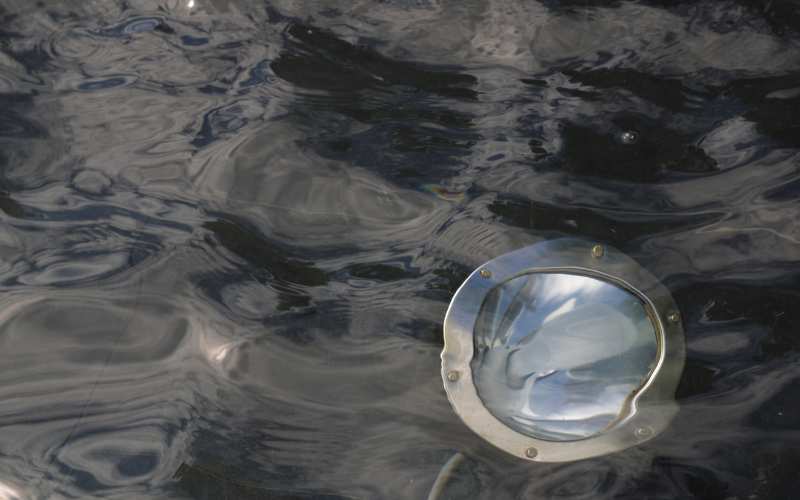
- Safety First: Ensure that the lights are explicitly designed for underwater usage. They should be waterproof and corrosion-resistant to withstand prolonged submersion.
- Fixture Durability: Marine-grade stainless steel or brass fixtures are ideal as they resist rust and corrosion. Cheap materials might save costs initially but can prove problematic in the long run.
- Light Placement: Consider placing lights behind water features, such as statues or waterfalls, to create silhouette effects. The play of light and shadow can add dramatic flair.
- Maintenance: Underwater lights require more maintenance than above-ground counterparts. Regular cleaning and checkups help ensure their longevity and brilliance.
Waterfall Illumination Tips
Illuminating waterfalls requires a balance of art and technique to amplify their natural beauty.
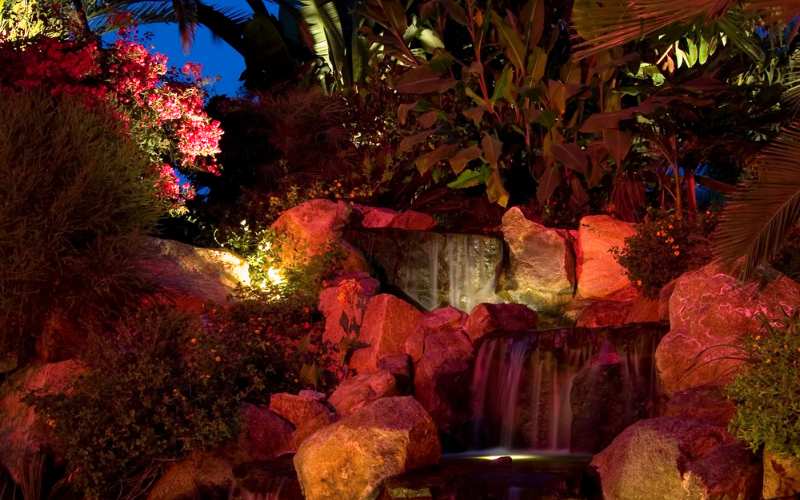
- Light Direction: Consider backlighting for waterfalls. Placing lights behind the flow can illuminate the cascading water, creating a radiant, shimmering effect.
- Avoiding Over-illumination: Too much light can diminish the natural appeal of waterfalls. Use fixtures with adjustable intensities or use diffusers to achieve the desired effect.
- Varied Angles: Position lights at different angles to highlight the textures and movement of the cascading water. This adds depth and dimension.
- Natural Elements: Use surrounding plants, rocks, and other natural elements to obscure or diffuse light sources, lending a more organic feel to the illumination.
Best Lights for Koi Ponds
Koi ponds are unique aquatic features, designed not only for aesthetic beauty but also as a habitat for these vibrant and graceful fish. Proper lighting is essential not just for evening appeal, but also for the health and well-being of the Koi.
- LED Lights: LED lights are the first choice for many Koi pond owners. They consume less energy, produce minimal heat, and are versatile in terms of brightness and color. Moreover, they don’t alter the water temperature, ensuring the comfort of your Koi.
- Submersible Halogen Lights: While not as energy-efficient as LEDs, halogens provide a warm, ambient glow. They’re especially effective for spotlighting particular features within the pond. However, they generate more heat, so proper placement is crucial.
- Solar Lights: Particularly beneficial for ponds located in sunny areas, solar lights harness the sun’s energy during the day and provide illumination at night. They’re eco-friendly and help reduce energy bills.
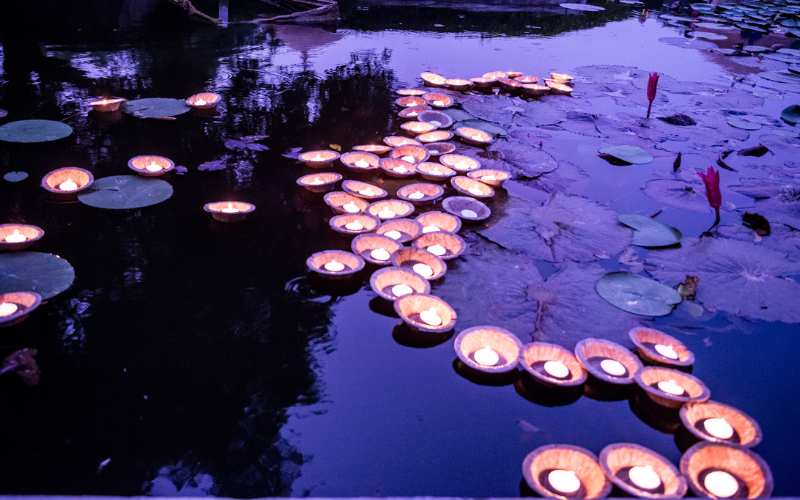
- Floating Lights: These lights drift on the surface, creating mesmerizing reflections. They’re especially useful for those who wish to avoid the hassle of underwater wiring.
Koi are sensitive creatures. It’s vital to ensure that lights don’t disturb their natural rhythms. Timers can be handy, allowing lights to switch off during the Koi’s rest periods.
Advantages of Solar Lights
Solar lighting has garnered much attention in the world of outdoor landscaping. Here’s why:
- Eco-Friendly: Solar lights reduce the carbon footprint. They harness renewable energy from the sun, cutting back on the reliance on fossil fuels.
- Cost-Effective: After the initial investment, solar lights virtually eliminate electricity costs. Over time, they can save a significant amount on energy bills.
- Easy Installation: Most solar lights don’t require complex wiring. They’re perfect for those who prefer a DIY approach, saving costs on professional installation.
- Low Maintenance: With fewer moving parts and no external wiring, solar lights often require less upkeep than traditional lighting.
- Safety: There’s no risk of electric shocks or short-circuiting with solar lights, making them a safer option for water features.
Durable Lights
When it comes to outdoor and water feature lighting, durability is a prime concern.
- Materials Matter: Opt for lights made from marine-grade stainless steel or heavy-duty brass. These materials resist rust, corrosion, and wear from the elements.
- Waterproof and Weatherproof: Ensure that the lights are rated for outdoor use. They should be sealed against moisture and capable of withstanding temperature fluctuations.
- UV Resistant: The sun’s rays can deteriorate certain materials over time. UV-resistant lights will retain their color and integrity even after prolonged sun exposure.
- Warranty: Reputable manufacturers often offer extended warranties on their products, which can be a testament to their durability.
DIY Water Feature Lights
For those keen on getting hands-on with their water feature lighting, DIY options abound.
- String Lights: Easy to install and remove, they can be draped around or over water features to create a whimsical effect.
- LED Tape Lights: These flexible strips can be adjusted and fixed to any shape, making them perfect for custom designs.
- Solar Stake Lights: Simply push these into the ground around your water feature for instant illumination. They’re easily repositionable and perfect for those reluctant to deal with wiring.
Remember, while DIY options offer creativity and cost savings, it’s crucial to prioritize safety, especially when working near water.
Eco-friendly Lighting Options
Environmental consciousness has surged, and rightfully so. Here are some eco-friendly lighting options for water features:
- Solar Lights: As previously mentioned, these reduce reliance on non-renewable energy sources, harnessing the sun’s power.
- Low-Voltage LED Lights: Consuming less power than traditional bulbs, LEDs are both energy-efficient and long-lasting.
- Motion Sensors: Instead of keeping lights on continuously, motion sensors ensure they’re activated only when needed, conserving energy.
- Timers: Like motion sensors, timers can be set to turn lights on and off at specific times, preventing unnecessary energy consumption.
Integrating eco-friendly lighting not only helps the environment but can also yield significant savings in the long run.
Floating Lights
Floating lights are a visual delight, casting gentle glimmers across the water’s surface. Unlike other lights that require submersion or attachment, these are designed to drift effortlessly, delivering a dynamic luminous experience.
- Versatility: Floating lights can be placed in any water feature, from grand reflecting pools to small garden ponds. They come in a myriad of designs – glowing orbs, faux lilies, and even multi-colored LED discs.
- Ease of Use: Since they don’t necessitate any wiring, you simply place them on the water’s surface, and they’re ready to dazzle. Most modern floating lights are solar-powered or battery-operated, eliminating the hassle of constant charging or power connections.
- Event Applicability: For special occasions or parties, floating lights can instantly elevate the ambiance. You can opt for color-changing models to set the mood or synchronize multiple units for a coordinated light show.
While enchanting, one must ensure that they don’t pose a risk to aquatic life. Keep an eye on battery health and replace them when necessary.
Benefits of LED Lights
LED (Light Emitting Diode) technology has revolutionized the lighting industry, especially in the realm of aquatic illumination.
- Energy Efficiency: LEDs use a fraction of the energy compared to traditional incandescent or halogen bulbs. This translates to significant savings on electricity bills over the light’s lifespan.
- Longevity: LED lights have an impressive lifespan. On average, they can last up to 25,000 hours, meaning fewer replacements and reduced maintenance costs.
- Temperature Control: Unlike other bulbs, LEDs emit minimal heat. This feature is crucial in water features as excessive heat can harm aquatic life and alter water temperatures detrimentally.
Moreover, LEDs offer an array of colors and brightness levels. Their compact size also allows them to be integrated seamlessly, enhancing aesthetics without being obtrusive.
Aquatic Lighting Ideas
Water features are the focal points of many landscapes. With innovative lighting, their charm can be magnified manifold.
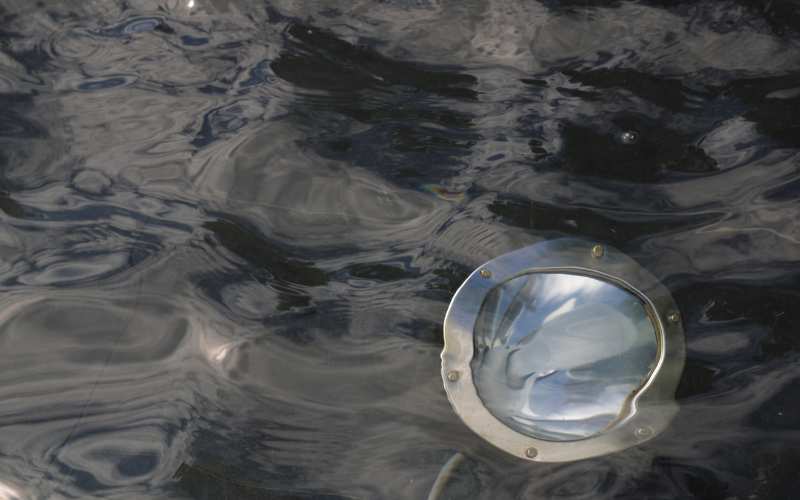
- Underwater Shadow Play: Place lights at the base of fountains or waterfalls. As the water cascades, the lights create captivating shadows and reflections.
- Perimeter Highlighting: Outline the boundaries of your pond or pool with soft LED strips. It provides a definition and makes the feature stand out after sundown.
- Spotlighting: Use directional lights to highlight specific elements like a sculpture, a unique plant, or a rock formation.
- Color Themes: On special occasions, switch to colored lights. A serene blue for calm evenings or a vibrant red for festive nights can make all the difference.
Submersible Lights Safety Tips
Safety should never be compromised, especially when mixing electricity and water.
- Waterproof Ratings: Ensure your submersible lights have a high IP (Ingress Protection) rating, signifying their resistance to water penetration.
- Quality Cables: Opt for heavy-duty, waterproof cables that are resistant to wear and tear.
- Regular Inspections: Periodically check for any signs of damage or wear. Even a small compromise can lead to leaks and potential electrical hazards.
- GFCI Protection: Always connect your submersible lights to a Ground Fault Circuit Interrupter (GFCI) outlet. This device will cut off power if it detects any imbalance, preventing electric shocks.
Transformative Lights
The term ‘transformative lights’ encapsulates lighting solutions that drastically alter and enhance the ambiance of a space.
- Interactive Lights: Modern advancements have birthed lights that respond to external stimuli. For instance, lights that change color or intensity with music beats can turn your garden into a dance floor.
- Synchronized Systems: Advanced systems allow multiple lights to operate in harmony, creating patterns, sequences, and coordinated displays.
- Smart Integration: With smart home systems, control your water feature’s lighting with voice commands or remotely through apps. Set timers, adjust brightness, or change colors with the swipe of a finger.
These transformative lights not only elevate the visual appeal but also provide an immersive experience for the onlooker.
Choosing the Right Bulbs
When it comes to illuminating water features, choosing the right bulb can make a world of difference.
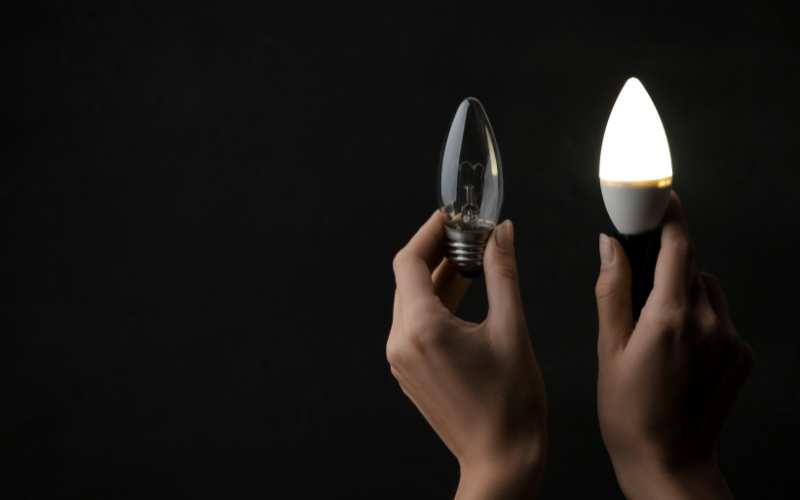
- Purpose Driven Selection: Understand the primary goal of your lighting. For accentuating, you might need a bulb with a narrower beam and higher intensity. For ambiance, softer bulbs with broader beams could be preferable.
- LED vs. Incandescent: LED bulbs are the modern go-to. Not only are they more energy-efficient, but they also have a longer lifespan than traditional incandescent bulbs. Incandescents, although warmer in hue, consume more power and need frequent replacements.
- Brightness & Color: With LED technology, you can select from a range of color temperatures. From warm yellow hues (2700K) to neutral daylight (5000K), choose what complements your water feature best.
- Compatibility: Always check the bulb’s compatibility with your existing fixtures. Not all bulbs will fit all sockets or work with all systems.
Lastly, consider the ecological impact. If your water feature houses aquatic life, ensure your bulbs won’t alter the water temperature detrimentally or emit harmful UV rays.
Lighting for Reflecting Pools
Reflecting pools, with their serene water surfaces, can be mesmerizing when lit appropriately.
- Surface Reflection: By placing lights around the perimeter, you can capture the reflections of surrounding landscapes, trees, or structures. This can dramatically enhance the pool’s appearance during twilight hours.
- Underwater Uplighting: Positioning lights beneath the surface, angled upwards, can create a unique illumination effect. The water’s ripples refract this light, adding depth and movement to the scene.
- Mood Setting: Depending on the surrounding environment and the desired ambiance, choose between warm or cool lighting. Remember, a balance between the two can also be striking.
Enhancing Aesthetics
The primary purpose of adding lighting to water features is to amplify their beauty.
- Layered Lighting: Instead of uniformly brightening an area, try layering. Combine spotlights, ambient lights, and accent lights to provide depth and texture.
- Shadows & Silhouettes: Position lights strategically to cast intriguing shadows or highlight silhouettes of aquatic plants or sculptures.
- Harmonizing with Nature: Consider the natural moonlight and starlight. On clear nights, softer lighting that complements the natural luminescence can be magical.
Professional Installation
While many enthusiasts opt for DIY installations, hiring professionals has its merits.
- Safety Assurance: Professionals are equipped with the knowledge to install lighting safely, ensuring all electrical components are correctly and securely fitted.
- Tailored Solutions: With their expertise, they can recommend and implement lighting designs tailored to your specific water feature, considering factors like size, depth, surrounding landscape, and your preferences.
- Maintenance Tips: Post-installation, professionals can provide insights into maintenance, bulb replacements, and potential upgrades.
If you’re leaning towards a DIY approach, always consult with a professional beforehand to get guidance, especially concerning safety.
Best Brands
In the realm of water feature lighting, certain brands stand out due to their quality, innovation, and reliability.
- OASE: Known for its high-quality pond equipment, its lighting solutions are durable and tailored for various water features.
- Aquascape: A favorite among professionals and hobbyists alike. Their lights are known for longevity and vibrant illumination.
- Lumishore: If you’re venturing into the high-end spectrum, Lumishore offers sophisticated lighting solutions, especially for larger water features.
- Pentair: Their aquatic systems, including lights, are eco-friendly and designed keeping both aesthetics and safety in mind.
Remember to always check reviews, ask for recommendations, and ensure the chosen brand fits within your budget and meets all your requirements.
Power Options
When illuminating water features, understanding your power options is crucial for both function and safety.
Mains Electric:
- Pros:
- Offers consistent and powerful illumination.
- Suitable for larger water features or ones requiring intense lighting.
- Cons:
- Requires professional installation to ensure safety.
- Permanent fixtures can hinder flexibility.
Solar:
Solar-powered lights harness energy from the sun, storing it in batteries for use after dark.
- Pros:
- Environmentally friendly.
- No running costs after the initial purchase.
- No wiring is required, making it easy to move and adjust.
- Cons:
- Light intensity can vary depending on the amount of sunlight received during the day.
- Typically not as bright as mains-powered options.
Battery Operated:
These are wireless and offer flexibility in placement.
- Pros:
- No need for any external power sources or cables.
- Suitable for temporary setups or events.
- Cons:
- Requires regular battery replacements.
- Might not be as durable as permanent solutions.
Always weigh the pros and cons of each power source against your specific needs and the nature of your water feature.
Customizing Lights
Customization can significantly enhance the ambiance of a water feature, making it a unique centerpiece.
Colors & Intensity: Modern lights often come with adjustable colors and brightness. Using remote controls or even smartphone apps, you can change the mood at the touch of a button.
Timers & Sensors: Incorporate timers to turn on the lights during specific hours. Some advanced lights also come with sensors, illuminating based on the surrounding light conditions.
Themes & Occasions: Customizing lights based on seasons or occasions, like a soft pink for Valentine’s or vibrant colors for birthdays, can add a festive touch.
Shapes & Structures: Some lights are designed as floating orbs, flowers, or even creatures, adding an element of whimsy to your water feature.
Always keep an eye on emerging technologies. With rapid advancements in LED technology, there are always new and exciting ways to customize lighting.
Budget-friendly Solutions
Lighting a water feature doesn’t always have to break the bank. With careful planning and some creativity, you can achieve a stunning effect on a budget.
DIY Projects: Repurpose old Christmas lights or other lighting fixtures. With a bit of creativity, you can create mesmerizing effects without spending much.
Shop Sales & Discounts: Many brands offer seasonal sales. Keep an eye out, and you might snag a great deal.
Opt for Simplicity: Sometimes, less is more. A few strategically placed lights can offer a more elegant look than an overabundance of lights.
Maintenance: Regular maintenance can extend the life of your lights. Clean them regularly and replace any malfunctioning parts promptly.
Remember, the objective is to enhance the beauty of the water feature. Sometimes, even the most budget-friendly solutions can achieve stunning results.
Landscape Lighting Integration
Integrating your water feature lighting with the broader landscape lighting can create a harmonious and captivating outdoor space.
Balance: Ensure that the water feature doesn’t outshine the rest of the garden or vice versa. Aim for a balanced luminosity throughout.
Color Coordination: If using colored lights, ensure they complement or contrast pleasingly with the rest of the garden.
Unified Controls: Opt for systems that allow you to control all outdoor lights from a single point. This will ensure synchronization and ease of use.
Consistent Themes: If you’re aiming for a particular theme in your garden, make sure your water feature lighting complements it.
Safety: Ensure paths and walkways are adequately lit to avoid accidents. This is especially important near water features where the ground might be slippery.
Incorporating Lights in Modern Fountains
Modern fountains, with their sleek designs and dynamic water patterns, can be dramatically enhanced with the right lighting.
Underlighting: Placing lights at the base of the fountain, pointing upwards, can accentuate the water’s movement and add depth.
Spotlights: For fountains with statues or unique designs, spotlights can highlight these features.
Recessed Lighting: For a subtle effect, incorporate recessed lights that blend with the fountain’s design.
Interactive Lights: Some modern fountains come with interactive lights that change colors or patterns based on external stimuli, like music or wind.
Sustainability: Given that modern designs often emphasize eco-friendliness, opt for energy-efficient lighting solutions, such as LED or solar-powered lights.
In conclusion, lighting can drastically enhance the beauty and ambiance of water features. By considering your power options, customizing to your liking, sticking to a budget, integrating with landscape lighting, and updating modern fountains, you can achieve an outdoor space that’s both captivating and unique.
Conclusion
The art of blending lighting with water features is a delicate dance between technology, nature, and aesthetics. When executed well, the interplay of light with water can transform a space into a serene retreat or a vibrant focal point. The range of power options available today caters to diverse needs, from eco-conscious solar choices to more robust mains electricity. Customizing lights, especially with the myriad of modern innovations available, allows homeowners to infuse personal touches and preferences into their water features. For those on a budget, it’s heartening to know that mesmerizing effects can still be achieved with some creativity and resourcefulness. As landscapes and gardens evolve, integrating lighting seamlessly into these spaces becomes pivotal, ensuring that every corner, from the paths to the fountains, complements the other. In essence, the magic of water feature lighting lies not just in the bulbs and lumens but in the stories they help narrate and the ambiance they create. Embracing this art can lead to spaces that inspire, soothe, and enchant every viewer.