Garden Wall Lighting From Functional to Decorative Choices
Outdoor landscapes are the ultimate canvases, inviting homeowners to paint with luminescence and design. One such palette is the garden wall, where the interplay of light and shadow can work wonders. In this detailed exploration of Garden Wall Lighting, we’ll traverse the myriad options, from the functional to the decorative, and impart ways to make these lights a dazzling highlight of your home.
Since ancient times, humans have been using lights not just to fend off the darkness but to add an aesthetic touch to their surroundings. Garden wall lighting marries both these purposes, offering not only safety but also enhancing the beauty of outdoor spaces. This guide will serve as your torchbearer, illuminating the world of garden wall lights, their designs, benefits, and much more.
Garden Wall Lighting Basics
Garden Wall Lighting not only serves as an integral part of your home’s aesthetics but also caters to the practical need for illumination. Here’s a deeper dive into its fundamental aspects:

- Functionality: Garden wall lighting primarily caters to visibility needs, especially during nighttime. It’s crucial for safe navigation, ensuring that family members and guests can move about the garden or patio without missteps.
- Decoration: Beyond practicality, garden wall lighting also contributes significantly to the overall ambiance. The way shadows play with the light, the interplay of luminosity with plants, and even the designs of the luminaires themselves all offer visual appeal.
- Weather Considerations: One cannot discuss outdoor lighting without considering the weather. Quality garden wall lights are weatherproof, ensuring longevity despite exposure to various elements like rain, sun, and wind.
- Energy Consumption: Lastly, the type of lighting chosen can have a significant impact on energy consumption and costs. Energy-efficient options, such as LED and solar lights, have grown in popularity due to their long-lasting and cost-saving properties.
Types of Outdoor Wall Lights
Navigating the wide variety of outdoor wall lights can be a daunting task. Let’s simplify this:
Wall Sconces
- Description: Wall-mounted fixtures that typically provide ambient lighting. They can be directed upwards, downwards, or both.
- Materials: Sconces can be crafted from a plethora of materials including metal, glass, ceramic, and even wood.
- Applications: Ideal for entrances, patios, or anywhere you’d like to add a touch of elegance.
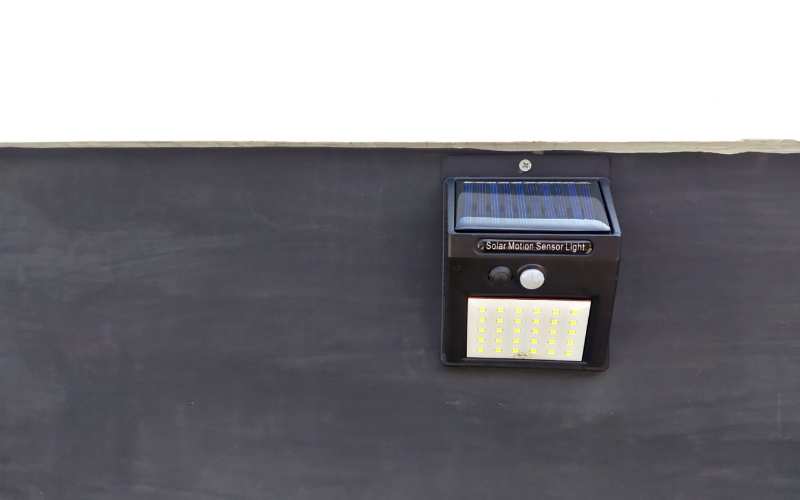
Solar-Powered Lights
- Description: These luminaires use sunlight for power, storing energy during the day and illuminating spaces at night.
- Benefits: Eco-friendly, cost-effective in the long run, and typically easy to install without any wiring hassles.
- Applications: Best for areas that receive ample sunlight during the day.
LED Options
- Description: Light Emitting Diodes (LED) offer bright, energy-efficient illumination.
- Benefits: They have a longer lifespan compared to traditional bulbs, are more energy-efficient, and offer consistent luminosity.
- Applications: Versatile, LEDs can be used in almost all outdoor settings, from pathways to porches.
Benefits of Illuminating Your Garden Walls
The advantages of proper garden wall lighting are manifold:
- Safety First: A well-lit garden ensures no stumbling in the dark, reducing risks associated with unseen obstacles or uneven surfaces.
- Aesthetic Enhancement: Good lighting accentuates your garden’s features. Whether it’s a majestic tree, a sculptural element, or a water feature, lighting can make it stand out.
- Ambiance Creation: The right luminosity and the play of shadows can set the perfect mood for evening relaxation or even a nighttime garden party.
- Increased Property Value: Beyond immediate benefits, well-designed and implemented garden lighting can increase your property’s appeal and potentially its market value.
- Security: A well-lit exterior can deter potential intruders, adding an extra layer of security to your home.
Choosing the Right Luminosity
The luminescence of your lights should strike a balance – neither too overpowering nor too dim.
- Size Matters: The area of your garden or patio plays a crucial role. Larger spaces might require brighter lights or more fixtures.
- Purpose-Driven: Determine the primary reason for the lights. If it’s primarily for aesthetics, softer lights might suffice. For safety, especially in pathways, brighter lights are advisable.
- Layering: Just like interior lighting, outdoor lighting can be layered. Consider a mix of ambient, task, and accent lighting for the best effects.
- Consult Professionals: If in doubt, seek advice. Lighting professionals can provide insights into the ideal luminosity based on your specific needs and preferences.
Popular Lighting Designs for Outdoors
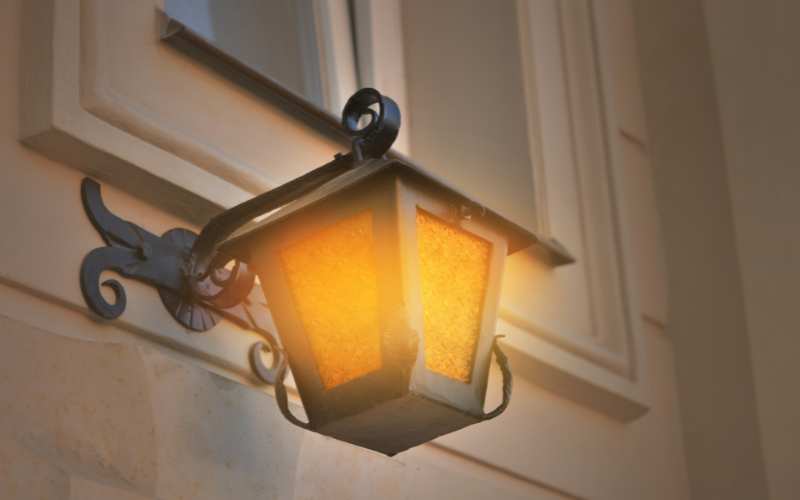
Rustic Styles
- Description: Rustic lights often exude a vintage charm, reminiscent of old-world lanterns or countryside abodes.
- Materials & Colors: Expect to see materials like wrought iron, aged metal, or wood. Colors tend to be earthy and neutral.
- Applications: They perfectly complement gardens that lean towards natural, woodland, or vintage aesthetics.
Modern and Contemporary Designs
- Description: Sleek, minimalist, and sometimes even futuristic, these luminaires embody modern design principles.
- Materials & Colors: Stainless steel, polished chrome, or even matte finishes in neutral shades define this category.
- Applications: Ideal for modern homes with contemporary landscapes, where the emphasis is on clean lines and geometric patterns.
Ambiance Lights
- Description: These are all about creating a mood. Think of soft glowing orbs or fairy lights draped along a wall.
- Materials & Colors: A varied range, from glass orbs to LED string lights.
- Applications: Perfect for intimate gatherings, special occasions, or simply a tranquil evening in your garden.
Solar-Powered Lights
Solar-Powered Lights harness energy from the sun, providing an environmentally friendly and cost-efficient solution for garden wall lighting.
- How They Work: During daylight hours, solar panels affixed to these lights capture sunlight, converting it into electricity. This energy is then stored in a battery. As night approaches and the solar cells stop receiving light, a photoreceptor triggers the light to switch on using the stored energy.
- Benefits:
- Eco-Friendly: Solar lights reduce the carbon footprint, as they rely on renewable energy.
- Cost-Efficient: After the initial purchase, solar lights virtually eliminate electricity costs for outdoor lighting.
- Low Maintenance: With no wiring, these lights are relatively hassle-free once installed.
- Variety: From wall sconces to ambient garden lights, solar-powered options are vast.
- Considerations: Their performance can vary based on daily sunlight exposure. It’s essential to position them where they can receive ample sunlight for optimal functionality.
LED Options
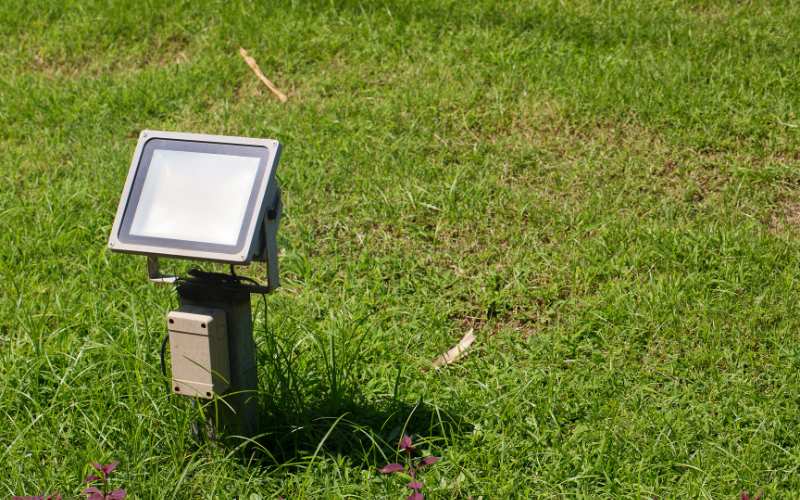
LED (Light Emitting Diode) lights have transformed the realm of outdoor lighting, especially for garden walls.
- What Makes Them Special? LEDs are semiconductor devices that emit light when current flows through them. Unlike conventional bulbs, they don’t have a filament that can burn out.
- Advantages:
- Energy Efficiency: LEDs use significantly less power than traditional bulbs, translating to reduced electricity bills.
- Long Lifespan: With an average lifespan of 25,000 hours, they outlast conventional bulbs by several years.
- Consistent Luminosity: They offer bright and consistent light output over their life cycle.
- Applications: LED lights are versatile. Whether you’re seeking wall sconces, spotlighting for particular features, or ambient lighting, there’s an LED solution for you.
Rustic Styles
Invoking a sense of tradition and nostalgia, Rustic Garden Wall Lighting is about melding the old-world charm with modern functionality.
- Design Features:
- Materials: Expect the use of aged metal, wrought iron, distressed wood, and even patina-rich copper.
- Shapes: Lantern-like designs, birdcage structures, or even simple sconces with an antique finish are popular.
- Light Tones: Soft, warm glow typically complements the rustic aesthetic.
- Perfect For: Rustic styled lights fit seamlessly into traditional homes, countryside abodes, or even modern homes that seek a touch of vintage charm.
Modern and Contemporary Designs
For those seeking a sleeker look, Modern and Contemporary Garden Wall Lighting offers a fresh perspective.
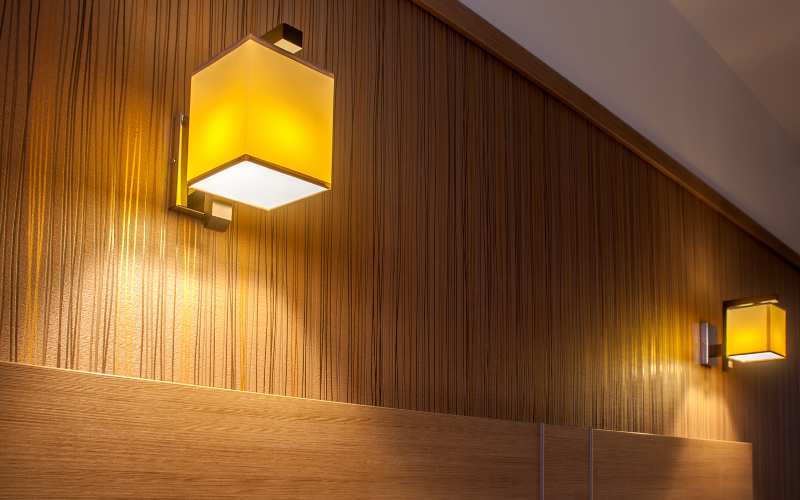
- Characteristics:
- Materials: Think polished stainless steel, smooth ceramics, and clear glass.
- Shapes: Geometric patterns, clean lines, and minimalist designs dominate this category.
- Colors: Neutral shades, with occasional bold accents, often define these lights.
- Where They Shine: These designs are perfect for modern homes, especially those with a contemporary landscape or architectural flair.
The Role of Garden Lights in Safety
Garden wall lighting isn’t just about aesthetics; it plays a pivotal role in ensuring safety.
- Pathway Illumination: Proper lighting can prevent missteps or tripping hazards in your garden or patio area, especially in uneven terrains.
- Deterrence: A well-lit garden can deter potential intruders or unwanted wildlife, offering an added layer of security.
- Visibility: Whether it’s to spot an unexpected object, an open garden gate, or a pet lurking in the shadows, garden wall lights enhance visibility during the night.
- Weather Conditions: Especially during foggy or rainy conditions, lights can act as beacons, guiding the path and ensuring safe movement.
How to Install
Installing garden wall lights can initially seem daunting. However, with the right steps and precautions, you can illuminate your outdoor space beautifully and safely. Here’s a comprehensive guide:
- Choose the Right Spot: Before drilling any holes, decide where you’d like your lights. It’s crucial for aesthetics, but also for functionality – ensuring pathways are well-lit, architectural features are highlighted, and dark corners are illuminated.
- Safety First: Always turn off electricity from the main circuit breaker when working with wired lights. It’s also a good idea to use a voltage tester to ensure no live wires are present.
- Tools & Materials: Generally, you’ll need:
- A drill and appropriate bits
- Wall anchors and screws (usually provided)
- Wire connectors and a wire stripper (for wired options)
- A level to ensure a straight installation
- Wiring:
- For wired lights, connect the wires following the manufacturer’s instructions. Typically, color-coded wires need to be connected: black to black (or red), white to white, and green or bare to ground.
- Use wire connectors to secure them.
- Positioning: Fix the light fixture to the wall using screws and ensure it’s secure. For solar lights, ensure they are placed where they can receive maximum sunlight.
- Final Check: Once installed, turn on the electricity and test the lights. Adjust angles if needed, especially for spotlights or security lights.
Cost-Efficiency
Garden wall lighting, while adding aesthetic value, can also offer significant cost-efficiency. Here’s a breakdown:
- LED and Solar Power: Both these options, though slightly costlier upfront, can lead to substantial savings in the long run. With minimal energy consumption and long lifespans, they pay for themselves over time.
- Motion-Sensor Integration: Lights that turn on only when movement is detected save energy. This not only reduces electricity bills but also extends the light’s lifespan.
- Dimmable Options: Being able to control the luminosity means you use only as much energy as necessary.
- Timers: Having lights automatically turn off in the early morning hours can conserve energy and further reduce costs.
The Lifespan of Luminaires
The lifespan of your garden wall lights, or luminaires, largely depends on the type of light source and the conditions they’re exposed to:
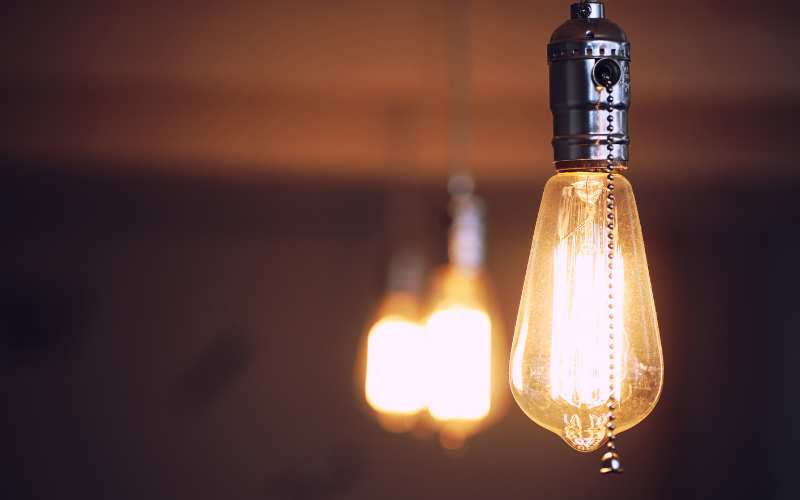
- LED Lights: Often boast an impressive lifespan of up to 25,000 to 50,000 hours. Given a usage of about 8 hours a day, they can last anywhere from 8-17 years.
- Solar Lights: While the LED inside can last long, the solar panel and battery’s efficiency might degrade over time, typically around 2-5 years, after which they may need replacements.
- Traditional Bulbs: These generally last between 1,000 to 2,000 hours, necessitating more frequent replacements.
- Environmental Factors: Luminaires exposed to harsh weather conditions, be it extreme cold, heat, or moisture, may have a reduced lifespan. Weatherproofing can help mitigate this.
Maintenance and Care
Ensuring your lights serve you well for years involves regular maintenance:
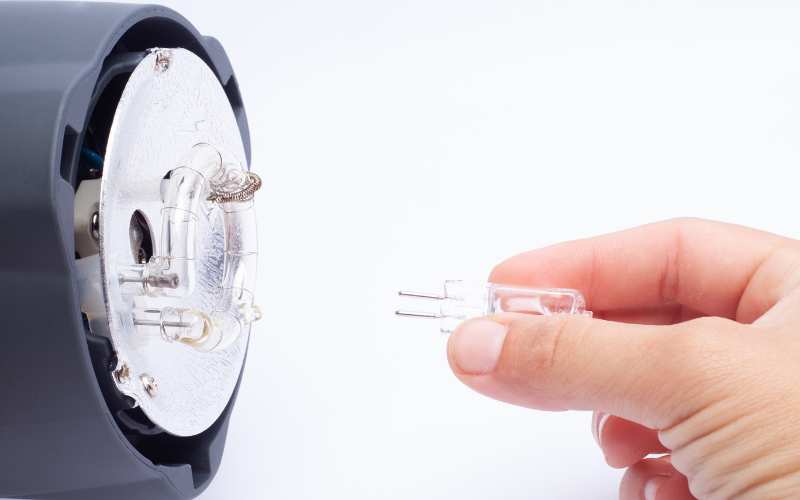
- Cleaning: Dust and debris can accumulate on the light fixtures and solar panels, reducing their efficiency. Gently wiping them with a damp cloth can help.
- Inspections: Regularly check for any signs of wear, damage, or corrosion, especially if your lights are not explicitly weatherproofed.
- Battery Care for Solar Lights: Every once in a while, it’s good to let the batteries discharge fully and then charge them completely for optimal performance.
- Replacement: Change out any dimming or flickering bulbs promptly. For wired systems, ensure the wiring remains intact and undamaged.
Integrating Wall Lights with Landscape Design
The magic of garden wall lighting truly shines when integrated seamlessly with the overall landscape design:
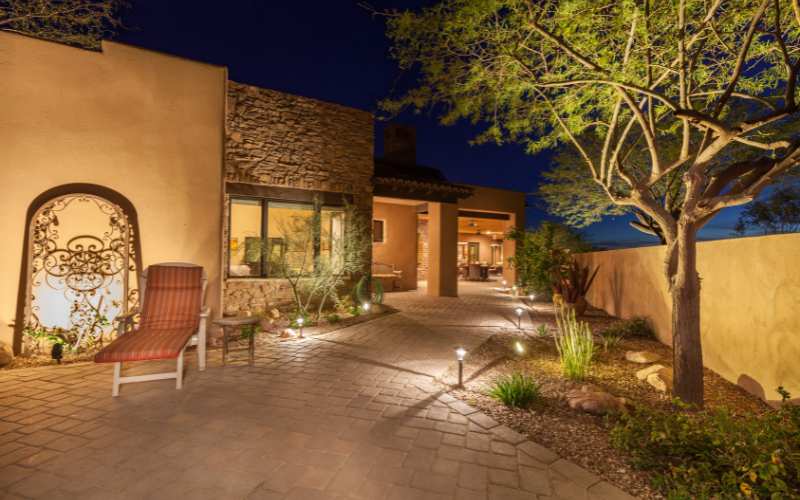
- Pathways: Guide guests with well-placed lights along pathways. Shadows can create dramatic effects, so consider the angle of light.
- Water Features: Illuminate ponds or fountains from above or below the water surface for an enchanting effect.
- Plants & Trees: Uplights can make trees appear larger, while downlights can create a moonlit effect on flowerbeds.
- Architectural Features: Highlight unique architectural features of your home or garden structures, ensuring they stand out even at night.
- Blend with Nature: Choose fixtures that complement your garden’s style. Rustic styles for traditional gardens, sleek designs for modern landscapes, and so forth.
Motion-Sensor Lights
Motion-sensor lights, as the name suggests, activate upon detecting motion. They’ve become an essential part of modern garden wall lighting for various reasons.
Functionality and Efficiency: These lights turn on when needed, thus conserving energy. If you’re stepping out into the garden, the light detects your movement and illuminates your path, turning off after a set period of no activity.
Safety: A sudden illumination can deter potential intruders. It’s not just about keeping unwelcome visitors away; it also ensures that family members and guests don’t stumble in the dark.
Economic Benefits: Over time, using motion-sensor lights can lead to substantial savings on electricity bills. By only turning it on when necessary, the overall energy consumption is significantly reduced.
Types of Motion Sensors:
- Passive Infrared (PIR): Detects body heat. Most common in garden lighting.
- Microwave: Emits waves and measures reflection off a moving object.
- Dual Technology: Uses both PIR and microwave sensors to minimize false alarms.
Tips for Installation:
- Install them at a height where pets won’t constantly trigger them.
- Consider the range and sensitivity before placement.
The Importance of Weatherproofing
Outdoor lights are constantly exposed to the elements. Whether it’s rain, snow, or extreme temperatures, it’s imperative to ensure that your garden wall lighting can withstand these conditions.
Longevity: Weatherproofed lights undoubtedly last longer. Moisture, particularly, can be detrimental to electrical fixtures. A well-protected light can save you the cost and hassle of frequent replacements.
Safety: Electrical fixtures exposed to moisture can be hazardous. Weatherproofing ensures that water doesn’t enter the electrical compartments, reducing the risk of shorts or shocks.
Maintaining Luminosity: Raindrops, fog, or snow can scatter light. Weatherproof lights are designed to maintain their luminosity even in adverse conditions.
Weatherproofing Tips:
- Look for IP ratings on lights. IP65, for example, is dust-tight and protected against water jets.
- Ensure fixtures are sealed correctly during installation.
- Periodically check for wear and tear.
Aesthetics
Garden wall lighting isn’t just about function; it’s a significant aesthetic element. Properly chosen and placed lights can transform an outdoor space.
Creating Ambiance: Soft lighting can create a serene atmosphere, while bright, strategic lights can make garden features pop. The color temperature of the light, from warm to cool, also plays a role in setting the mood.
Highlighting Architectural Features: The right lighting can draw attention to specific aspects of your home or garden, like a beautiful archway or an ornate door.
Shadow Play: Shadows can be as impactful as the light itself. Positioning lights at different angles can create captivating shadow patterns, adding depth and intrigue.
Themes and Styles: From rustic to contemporary, the design of the light fixture contributes significantly to the garden’s overall aesthetic. Choose designs that echo the garden’s theme.
Sconces and their Elegance
Wall sconces are a timeless choice for outdoor lighting. Their charm lies in their versatility and elegance.
Historical Appeal: Sconces have historical roots, often evoking images of torch-lit castle corridors. They can add a touch of antiquity to modern homes.
Variety: From intricate wrought iron designs to sleek modern renditions, sconces come in an array of styles.
Space-Efficient: Being wall-mounted, they are particularly suitable for smaller gardens or narrow pathways where ground space is at a premium.
Placement Tips:
- Typically, sconces should be mounted at eye level, around 5.5 to 6 feet from the ground.
- Consider the scale. Larger walls might need bigger or multiple sconces.
DIY Ideas
For those who love personalized touches, DIY garden wall lighting projects can be immensely satisfying.
Mason Jar Lights: A simple, rustic idea where LED lights or candles are placed inside mason jars, which are then hung or mounted.
Tin Can Lanterns: Punched or drilled designs in tin cans can create mesmerizing patterns when lit from within.
Painted Flower Pots: Upside-down flower pots, painted and fitted with bulbs, can make unique light fixtures.
Wooden Lattice Lights: Mount a wooden lattice on the wall, and string fairy lights across for a soft, dappled lighting effect.
Re-purposed Vintage Items: Old lanterns, sieves, or even colanders can be retrofitted to house bulbs, creating unique lighting pieces.
To make any DIY project successful, safety should be paramount. Always ensure that DIY fixtures are securely mounted and that any electrical work is double-checked for safety.
Making the Most of Shadows and Highlights
The interplay of light and shadow is crucial in garden wall lighting. By harnessing both, you can create a visually enchanting space that exudes both drama and harmony.
The Power of Shadows: Shadows add dimension and depth. They create contrasts, accentuate certain areas, and can mask less appealing spots.
- Techniques: Use fixtures that cast light downward or upward to create elongated shadows. Silhouette lighting can be used to project the shadow of an interesting plant or ornament onto a wall.
- Positioning: Consider the sun’s path. As the sun shifts, so will the natural shadows. Your artificial lighting should complement, not conflict, with these natural patterns.
Highlights: These are the bright spots, the stars of your outdoor space. They draw attention, offer clarity, and create focal points.
- Techniques: Spotlighting can focus intense light on an area or object. Cross-lighting illuminates an object from two sides, showcasing its three-dimensionality.
- Positioning: Aim lights at the base of a feature to make it stand out, or use grazing light to highlight textures on surfaces like stone walls.
Wireless vs. Wired Lights
Both wireless and wired lights have their strengths and weaknesses. Knowing their characteristics can help you decide which is more suitable for your garden wall.
Wireless Lights:
- Pros:
- Flexibility: Easy to move around and reposition.
- Ease of Installation: No need for complex wiring.
- Safety: Reduced risk of electrical mishaps.
- Cons:
- Lifespan: Battery-powered lights might require frequent battery changes.
- Intensity: They may not be as bright as wired options.
Wired Lights:
- Pros:
- Consistency: They provide a steady, uninterrupted power source.
- Variety: Often comes in a broader range of designs and intensities.
- Cons:
- Installation: Requires more effort and possibly professional help.
- Fixed: Once installed, they’re harder to move.
Tips for Energy Conservation
Garden wall lighting doesn’t have to skyrocket your power bills. With smart choices and practices, you can enjoy the ambiance without the expense.
- LED Lights: These consume up to 80% less energy than traditional bulbs and have a longer lifespan.
- Solar Options: Solar-powered lights harness the sun’s energy, converting it to electricity. They’re both eco-friendly and wallet-friendly.
- Timers: Set your lights to turn on only when needed, like at dusk.
- Dimmers: Adjust the intensity based on the occasion or time of night.
- Motion Sensors: As discussed, these ensure lights are on only when there’s activity.
Finding the Perfect Light Angle
Lighting is an art. The angle at which light hits an object can change the viewer’s perception.
- Uplighting: Placing lights on the ground pointing upward can accentuate structures, plants, or trees. It gives an ethereal, majestic look to the illuminated object.
- Downlighting: This mimics natural light, like moonlight. It’s perfect for pathways or to create a calm, subtle glow in seating areas.
- Cross-Lighting: By illuminating an object from two or more directions, you can showcase its depth and details.
- Backlighting: Positioning light behind objects, making them stand out against a softly illuminated background.
Experiment with different angles before finalizing, observing the effects at various times of the night.
Inspirational Projects
For those seeking advanced garden wall lighting inspirations, here are some project ideas:
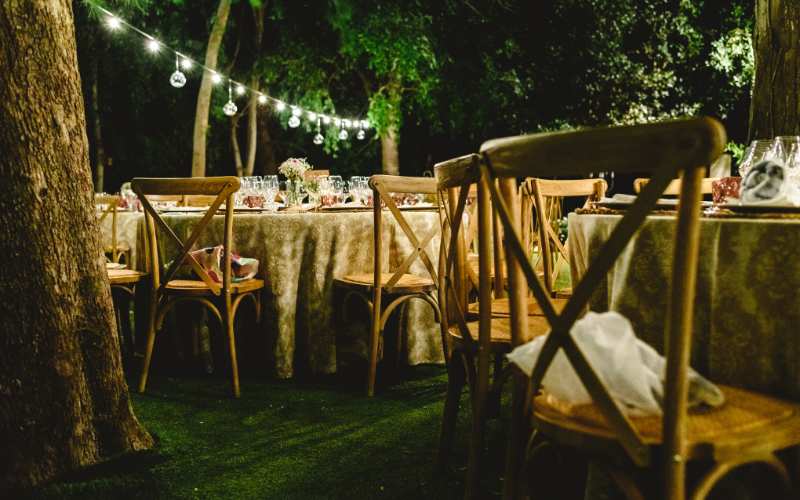
- Themed Gardens: From a fairy-tale ambiance using soft, twinkling lights and lanterns, to a tropical paradise with vibrant colors and tiki torches.
- Interactive Pathways: Incorporate pressure-sensitive lights that light up as you walk on them.
- Water Features: Illuminate fountains, ponds, or pools. The shimmering reflection of light on the water is mesmerizing.
- Artistic Installations: Combine sculptures or art pieces with lighting for a dramatic effect.
- Seasonal Themes: Change your lighting according to seasons or festivals. Warm golden hues for autumn, bright and colorful for summer, and soft blues and whites for winter.
When undertaking any project, always remember to consider the practical aspects like safety, maintenance, and energy consumption alongside aesthetics.
Conclusion
Garden wall lighting is more than just a functional element to illuminate your outdoor space. It’s an interplay of art and science, aesthetics and practicality. Through the careful selection of styles—from rustic to contemporary, and from solar-powered to LED options—we have the ability to transform our gardens into enchanting havens. The magic lies in the details: understanding shadows and highlights, choosing between wired and wireless, ensuring energy conservation, and adjusting light angles to achieve the desired effect. Beyond the practical benefits of safety and energy efficiency, the right lighting elevates the ambiance, setting the tone for memorable evenings and serene nights. By drawing inspiration from various projects and integrating these tips, you can make your garden a reflection of your personal style, ensuring that it’s not just well-lit, but also well-loved.